
Obesity Symptoms and How to Lose Body Weight in Natural Way
Do you feel stressed about obesity? It not only has an impact on your body’s appearance but also increases serious health hazards. Understand the symptoms and take the right actions to regain control over it. In this section, we will explore the symptoms of obesity, strategies to resist obesity, and methods to lose excess body weight gradually.
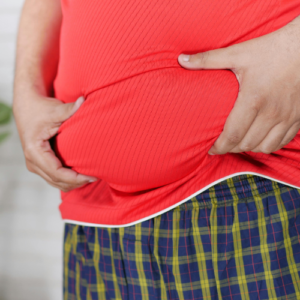 Obesity is a multifaceted condition that develops over time, and its signs can impact both physical and mental well-being. Below are the most prevalent signs and indicators of obesity.
1. There is an accumulation of excess fat throughout the body, particularly noticeable around the abdomen, thighs, hips, and arms.
2. Experiencing difficulty in breathing during simple tasks such as walking or climbing stairs.
3. Increased perspiration is observed due to the body exerting more effort to move and maintain its temperature, often resulting in excessive sweating.
4. Experiencing fatigue or low energy even after doing little exercise, and occasionally nodding off during the day.
5. Additional body weight strains joints, resulting in lower back, hip, and knee pain.
6. Overweight causes Sleep apnea, which is characterised by fat buildup around the neck that can constrict the airway and cause breathing to actually cease while you sleep. Sleep apnea is a common condition that causes breathing to be interrupted during sleep.
7. Conditions such as elevated cholesterol.
8. Conditions such as darker skin patches, often around the neck or underarms.
9. Conditions such as the development of stretch marks on the arms, hips, thighs, and abdomen.
10. Social isolation, anxiety, depression, and low self-esteem disorders are brought on by the person’s overweight body image.
11. Conditions such as hormonal abnormalities, frequent hunger or overeating, diminished stamina, and difficulties in moving.
What is BMI?
- Body Mass Index (BMI) is a screening tool that estimates the total body fat content of a person based on his height and weight.
- It is calculated as: Weight (Kg) / Height (meter square)
- This bmi indicator categorizes adults as underweight, normal weight, overweight, or obese.
- Though BMI is a general indicator of health risks, it does not directly measure body fat or account for muscle mass.
BMI Categories for Adults:
- Underweight: Below 18.5
- Healthy: 18.5–24.9
- Overweight: 25.0–29.9
- Obesity: 30.0 and above
Key Considerations of BMI:
- Main Purpose: It helps to identify potential weight-related health risks, such as heart disease or metabolic health issues.
- Limitations: It does not directly account for muscle mass, bone density, or fat distribution. Because active individuals with high muscle mass may have a high BMI without excess body fat.
- Usage: BMI is a quick, low-cost screening tool rather than a diagnostic measure.
N.B. For a quick calculation of BMI, you can use online tools like the NHLBI BMI Calculator / Calculator.net
Strategies to Resist Obesity
 Building long-lasting behaviors that keep a healthy body weight over time is more important in the fight against obesity than finding a quick fix. In addition to lifestyle, environment, and heredity, obesity and overweight are frequently associated with an imbalance between calories burned and calories ingested. Here is a useful, scientifically grounded piece of advice to help you successfully manage and prevent it.
1. Always concentrate on eating a balanced diet. The most important factor is what you consume, only to loss weight.
2. Consume whole foods such as fruits, vegetables, whole grains, lean meats, and healthy fats. Control the quantity of food you consume. If consumed in excess, even healthful foods can cause weight gain.
3. Limit your consumption of fast food, junk food, and sugar-filled beverages. Fast insulin spikes are caused by high-sugar, low-fiber foods like sodas, sweetened coffees, and excessive fruit juices.
4. Controlling appetite and metabolism can be achieved by consuming adequate water before every meal.
5. At every meal, put non-starchy veggies (such as spinach, cauliflower, etc.) on half of your plate.
6. Frequent exercise increases metabolism and aids in calorie burning. Try to get in at least 210 minutes a week of moderate exercise. Incorporate exercises like swimming, cycling, jogging, and walking.
7. To gain muscle, use strength training 2-3 times a week. Simple routines like walking small distances or using the stairs are important.
8. Develop a Healthy Diet. To achieve it, routine and mindset are very important.
9. Steer clear of a stressful or emotional eating. Eat thoughtfully and slowly.
10. Avoid missing meals, particularly breakfast. Keep your eating schedule consistent.
11. Make sure you get at least 8 hours of sleep every night. Hormones that regulate hunger can be affected by sleep deprivation.
12. Overeating and weight gain can result from long-term stress (caused by a busy schedule of professional work life).
13. Always engage in relaxing methods, such as meditation or yoga.
14. Take part in pastimes, hobbies and passions or pursuits that you constantly find enjoyable.
15. Maintain social ties with your near and dear ones to reduce stress and anxiety.
16. Regularly check your weight. This tracking aids in your awareness. It is sufficient to weigh your body weight once a week. If necessary, keep a diet or activity journal as well.
17. Cut back on your sedentary lifestyle. Take a stretch or stand a lot frequently for a long sitting job.
18. Set screen time limits for computers, phones, and televisions.
N.B. If weight gain persists, consult a physician or nutritionist.
Methods to Lose Excess Body Weight
 Excess body weight can be brought in a proper shape by natural way at home. To gain a better grasp of weight loss programs, you should follow all the necessary steps mentioned below. It is not a shortcut process, and you have to keep patience in this regard. A consistent follow-up routine can only make recovery from obesity in your life.
1. Maintain a Calorie Deficit: The key to losing weight is burning more calories than you take in. Start tracking how many calories you consume daily. Cut back on low-nutrient, high-calorie foods. Steer clear of crash dieting and stick to a gradual, long-term plan.
2. Pay Attention to Balanced Nutrition: Long-term success depends on a nutritious diet. So, take a balanced meal every time. Steer clear of sugar-filled beverages and processed foods.
- Add proteins (fish, eggs, lean meats, paneer, and lentils)
- Consume complex carbs (oats, whole grains)
- Include healthy fats (nuts, seeds, olive oil)
- Eat more fruits and vegetables that contain high fiber
3. Exercise Regularly: Spend 30 to 45 minutes a day combining various workouts. Take a slow start and gradually pick up the pace. At least 180 minutes of moderate exercise is needed to fulfil your purpose.
- Cardio Exercise (cycling, running, and walking)
- Strength Training increases metabolism and muscular mass (Gym)
- Stretching and yoga activities for flexibility
4. Stay Hydrated: Make an effort to consume 2-3 liters of water every day. Consuming adequate water promotes digestion, enhances metabolism, and reduces appetite.
5. Good Sleep: Aim for 7-9 hours of sleep every night. Poor sleep affects hormone secretion, and it can lead to weight gain. Always follow a regular sleep routine.
6. Control Stress: Prolonged tension might lead to overeating and fat storage. Engage in deep breathing or meditation. Take part in your interests and activities. Maintain your social connections at all times.
7. Have patience and consistency: Losing weight is a slow process. Establish reasonable objectives (0.5 – 1 kg every week). Monitor your progress (weight, measurements, pictures). Don’t get discouraged by slower results than expected.
8. Track and Modify: Maintain a diet and exercise log. Based on your progress, modify your diet and exercise regimen. If necessary, seek expert advice.
9. Develop healthy habits: The target is long-term lifestyle modification, not short-term dieting. Make small adjustments and change it to your lifelong habits.
10. The following foods should be avoided by any means:
- Bread, spaghetti, cookies, and white rice
- Packaged juices, cold beverages, and sweets
- Instant noodles, chips, and samosas
- Pickles, sauces, and sweet tea
A simple Beginner’s Guide to Easy Weight Loss:
- Morning (6 AM) : Warm water with a lemon + one teaspoon of honey + one teaspoon of chia seeds
- Breakfast (8 AM) : Egg omelette or oatmeal
- Midmorning Snacks (10 AM) : Almonds or a fruit (apple, orange, or kiwi)
- Lunch (1 PM) : one cup of dal, one cup of vegetable curry, one roti (wheat or millet), and green salad
- Evening snacks (5 PM) : Green tea and roasted makhana (foxnuts) or roasted chana
- Dinner (8 PM) : Moong dal soup or grilled fish/chicken and salad
N.B. Before beginning any weight loss diet plan, make sure it is compatible with your body by speaking with a physician or nutritionist.
Here are some crucial Do’s and Don’ts to assist you in successfully managing obesity:
 Obesity Control (Do’s) Obesity Control (Do’s) |
 Obesity Control (Don’ts) Obesity Control (Don’ts) |
|
|
What is Bariatric Surgery?
Bariatric surgery, or weight-loss surgery, comprises various procedures and mechanisms that modify the digestive system, typically reducing stomach size or altering the intestines. The patients with severe obesity can lose excess weight by this surgery, when diet and exercise haven’t worked. It mainly treats obesity by restricting food intake, reducing nutrient absorption and modifying gut hormones to reduce hunger. It often cures or improves metabolic conditions like type 2 diabetes.
Key Aspects of Bariatric Surgery and Main Types:
- Sleeve Gastrectomy (Gastric Sleeve): This surgery removes a large portion of the stomach area, leaving a banana-shaped sleeve.
- Roux-en-Y Gastric Bypass (RYGB): This surgery creates a small pouch from the stomach area and properly connects it to the small intestine, bypassing a large area of the stomach and duodenum.
- Biliopancreatic Diversion with Duodenal Switch: This surgery involves a more complex and highly malabsorptive procedure to reduce extreme body weight.
How This Surgery Works:
The bariatric surgery procedures are very restrictive (reducing food volume), malabsorptive (limiting calorie uptake), or a combination of both.
Benefits of This Surgery:
Beyond significant body weight loss, it is highly effective in treating or improving type 2 diabetes, high blood pressure, sleep apnea, and high cholesterol levels.
Who is Eligible for This Surgery:
People with a Body Mass Index (BMI) of 40 or higher.
People with a BMI of 35 or more have severe weight-related health problems.
Surgery Technique:
Modern procedures are typically done with minimally invasive (laparoscopic or robotic) surgery, resulting in shorter hospital stays and faster recovery.
Risks and Long-Term Care:
Generally, this surgery is considered safe, but some potential risks can arise, like infections, blood clots, or nutritional deficiencies, requiring long-term vitamin supplementation and dietary changes.
Disclaimer: This is not a medical suggestion. It is only for information. Therefore, you should always visit a medical professional first when dealing with this kind of problem.
Reference: American Society for Metabolic & Bariatric Surgery, Nanavati Max Super Speciality Hospital
Can I lose weight in 3 days?
Yes, you can lose weight in 3 days, but it will mostly be water weight and bloating decrease rather than substantial fat loss. Extreme fasting or diets may result in a lower weight on the scale within 72 hours, but if regular eating resumes, this weight is typically soon restored.
What actually happens in 3 day’s short-term weight loss:
Reduced carbohydrate eating and glycogen depletion, which releases stored water, are the main causes of rapid weight loss in 3 days (generally 1-2 kg). This type of diet causes a significant calorie deficit, which results in short-term weight loss. You may appear thinner and feel less bloated. These, however, are not advised for long-term health, are not sustainable, and may cause muscle loss. Fatigue, nutritional shortages, irritability, and tiredness might result with this shortcut dieting.
Proper methods for losing weight:
- Use public transport or walk to go to working place.
- At working place, take frequent walks, if possible.
- Invite your office colleague to go for a stroll with you after work or during lunch.
- Establish regular wake-up and bedtimes.
- Steer clear of caffeine in the evening and afternoon.
- At least half an hour before going to bed, turn off all electronic devices.
A Few Misconceptions on Weight Loss and Obesity:
- Just eat less and work harder to reduce obesity
- Diabetes is brought on by obesity
- People with obesity are found to be lazy
- If someone in your family is obese, it will undoubtedly affect you
- Health is unaffected by obesity
The above statements are not entirely true. The real cause of obesity can only be accurately identified and assessed by a medical practitioner.
#obesity #weightlossprograms #overweight #obesitysymptoms #bmiindicator #lossweight #bariatricsurgery #7daydietplanforweightloss #weightlosssurgery #bmicalculation #bmicalculatorwomen #bmicalculatorfemale #obesebmi #weightlossdiets #caloriedeficit #mealplanforweightloss # weightlossplan #fatlossdiet #caloriedeficitdiet #bestfoodsforweightloss #lowcaloriefoods #overweight