
Super Healthy Diet Plans

Are you curious, searching for ideal diet plans? For your healthy, slim figure, you must follow an exact diet plan regularly. With rising cases of life-threatening conditions such as obesity, diabetes, and heart diseases, what we eat plays a vital role in our overall well-being. A balanced diet isn’t about strict limitations or depriving yourself of the foods you love; it’s about nourishing your body with the right nutrients while enjoying your meals.
Description of Healthy Diet Plans:
Healthy diet plans include a variety of foods that give essential nutrients such as carbohydrates, proteins, fats, vitamins, fibres and minerals. These nutrients help your body function properly and boost immunity. A well- balanced diet ensures that you feel energetic, maintain a healthy weight, and reduce the threat of health hazards.
Key Components of Healthy Diet Plans:
- Carbohydrates: As carbohydrates are the body’s main source of energy, there should be a significant portion of carbohydrates in your daily intake. Always choose complex carbohydrates over simple ones. Because the complex one releases energy slowly, keeping the stomach full for a long time, it thus prevents sudden spikes in blood sugar. Always say “No” to refined sugar, white bread and sugary drinks.
- Main sources of Carbohydrates: Whole grains, brown rice, fruits, oats, quinoa, and vegetables
- Proteins: They are essential for the growth of muscle, body tissue repair and beneficial enzyme production. For proper nutrition of the body, healthy protein in the diet is necessary, especially for athletes, aged persons and growing children.
- Main sources of Proteins: Lentils, beans, eggs, fish, chicken, tofu, dairy products.
- Fats: They are a vital element for brain function and hormone production. It also has an important role in the absorption of fat-soluble vitamins (A, E, D, and K). All fats are not harmful. Only avoid Trans fats and excessive saturated fats, which are always found in fried and processed foods. Intake of too much fat, even healthy fat, can be a cause of weight gain.
- Main sources of fats include: Nuts, seeds, avocados, olive oil and fatty fish.
- Vitamins and Minerals: They control various physiological functions in the body, which include bone health enhancement, metabolic reactions and immunity boosting.
- Main sources are: Fresh fruits, dairy products, vegetables, leafy greens, and nuts.
- Fibre: It has a crucial role in the digestive system, and it helps greatly to recover from constipation. It also helps to control blood sugar levels and limit cholesterol. It keeps your stomach full for a long time, helping in weight loss.
- Main sources of fibre: Whole grains, fruits, vegetables, legumes.
- Hydration: Although it is sometimes disregarded, water is the most important part of a balanced diet. It helps eliminate toxins, controls body temperature, and facilitates digestion. Drinking 6-8 glasses of water is very much needed a day. Increase consumption when exercising or in hot weather. Cut back on sugar-filled drinks and too much caffeine.
Example of Healthy Diet Plans:
- Breakfast: It consists of a glass of milk and oatmeal with fruits and nuts.
- Midmorning snack: Fresh fruit and coconut water
- Lunch: It consists of paneer/fish/lean meat, brown rice/chapati, dal, mixed vegetables, and salad.
- Evening snacks: a handful of nuts or roasted chana
- Dinner: A light meal consisting of salad, yoghurt, mixed vegetables, and soup.
Healthy Eating Habits for Better Health:
- Adhere to portion control: Consuming excessive amounts of food, even nutritious food, might result in weight gain.
- Eat Meals Frequently: Missing meals can slow down your metabolism and cause you to overeat later. Try to stick to a regular eating plan that consists of 3 main meals and 1-2 nutritious snacks.
- Incorporate More Whole Foods: Whole foods retain the majority of their nutrients and are minimally processed. Always use fresh fruits, nuts, or homemade snacks.
- Reduce Processed and Junk Food: Highly processed meals frequently include high levels of sugar, salt, and harmful fats. Frequent eating may increase the risk of chronic illnesses.
- Cut Back on Salt and Sugar Consumption: While too much salt can raise blood pressure, too much sugar can cause diabetes and weight gain.
Nutritious and Healthy Diet Plans for Lifestyle:
- A healthy diet works like magic with a healthy lifestyle. Stress reduction, getting enough sleep, and engaging in regular exercise are all equally crucial.
- Engage yourself in a regular exercise routine for at least 30 minutes daily.
- 7-8 hours of sound sleep are necessary every night.
- Use yoga, meditation, or relaxation techniques to manage your stress.
Strategies for Long-Term Success:
Make gradual changes rather than drastic ones. Be consistent and always target progress, not perfection. If you start small and maintain consistency, then healthy eating will eventually become a natural part of your lifestyle.
Varieties of Diet Plans:
There are numerous types of diet plans, each tailored to meet specific health objectives, such as managing diseases, gaining muscle, losing weight, or improving overall wellness. Below are the 8 top-class diet plans that are very popular among people. We will discuss them in detail here.
- 1) Keto Diet / Low-Carb Diet
- 2) Vegan Diet
- 3) High-Protein Diet
- 4) Low-Fat Diet,
- 5) Balanced Diet
- 6) Vegetarian Diet
- 7) DASH Diet
- 8) Mediterranean Diet
1. Keto Diet / Low-Carb Diet Plans
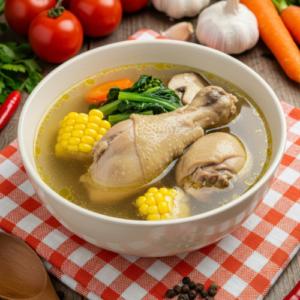
The ketogenic diet, also known as the “keto diet,” has become incredibly popular for improving general health and losing weight. The low-carb, high-fat, moderate-protein-based keto diet is designed to change the body’s main energy source from carbs to fats. According to metabolic science, the keto diet puts the body into a state known as ketosis by substantially reducing carbohydrate intake while increasing fat intake.
Your body typically uses glucose as fuel, which is derived from carbohydrates. However, the body starts burning fat for energy when carbohydrate consumption is drastically decreased (usually below 50 grams per day). Molecules known as ketones are produced as a result of this process, and they act as an alternate energy source, particularly for brain work. The unique feature of the keto diet against other traditional diets is its metabolic shift.
How does the keto diet plans perform?
- Consumption of carbohydrates is significantly decreased.
- Insulin and blood sugar levels fall.
- Fatty acids are produced from stored fat.
- These fatty acids are transformed into ketones by the liver.
- The body goes into ketosis and starts effectively burning fat.
Keto diet categories:
- Standard Ketogenic Diet (SKD) is high in fat, moderate in protein, and extremely low in carbohydrates.
- Cyclical Ketogenic Diet (CKD) means a phase of higher carbohydrate intake (e.g., weekends).
- Targeted Ketogenic Diet (TKD): Allows carbohydrates around workout.
- High-Protein Ketogenic Diet: This diet is comparable to SKD but has a higher protein content.
Foods to consume in keto diet plans:
- Healthy Fats: Avocados, butter and ghee, olive oil, nuts and seeds.
- Healthy Proteins: Eggs, fish (tuna, salmon), chicken, and meat.
- Low-Carb Vegetables: cauliflower, zucchini, broccoli, and spinach
- Dairy Products: cheese, yoghurt, cream
Avoid these foods:
- Sugar (soft drinks, sweets)
- Grains (bread, wheat, and rice)
- Starchy veggies (corn, potatoes)
- Most fruits (except berries in small quantities)
- All processed foods
Advantages of keto diet plans:
- Weight Loss: The keto diet effectively reduces hunger and boosts fat burning.
- Better Blood Sugar Control: By stabilising blood glucose levels, it can help people with Type 2 Diabetes.
- Boosting Energy Level: The body uses fat as a dynamic energy source.
- Improved Mental Health: Ketones supply energetic fuel for the brain, which improves concentration.
- Heart Health: Eating healthy fats may lower cholesterol.
Advice for starting keto diet plans:
- Make sure your meals are balanced with proper macronutrients.
- Drink lots of water to stay hydrated.
- Consume more electrolytes (sodium, potassium, and magnesium).
- To stay within your restrictions, keep track of your carbohydrates.
- It takes time to adapt, so be consistent.
Is everyone safe on keto diet plans?
The ketogenic diet may not be appropriate for everyone, despite its effectiveness. Before beginning a low carb diet, especially for those with diabetes, it is best to speak with a healthcare professional because it can have a big impact on blood sugar levels. Before beginning, anyone with specific medical issues, pregnant mothers, or those under medical treatment must speak with a healthcare provider.
Possible side reactions of keto diet plans:
The “Keto Flu” can bring temporary side effects to some people, which include headache, exhaustion, nausea, and headache. As the body adjusts to ketosis, these symptoms typically go away in a few days.
2. Vegan Diet Plans
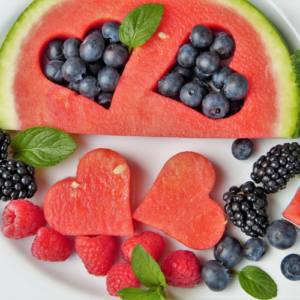
The health benefits, environmental impact, and ethical considerations of a vegan diet have made it extremely popular in recent years. A growing number of people are choosing to live on a plant-based diet and giving up animal-based products. This diet is very helpful for overall health recharge and to minimise the risk factors linked to disease.
A vegan diet: what is it?
A plant-based diet that does not include any animal products is called a vegan diet. This means avoiding dairy goods (milk, cheese, butter), eggs, honey, meat (chicken, beef, pork, fish), and other items derived from animals. Plant-based foods such as fruits, vegetables, grains, legumes, nuts, and seeds are the main source of a vegan diet.
Vegan diet types:
- Whole Foods Vegan Diet: This diet focuses on unprocessed or minimally processed foods, such as whole grains, legumes, fresh fruits, and vegetables.
- Raw Vegan Diet: Only raw or slightly heated foods (below 48°C), such as fruits, vegetables, nuts, and seeds.
- Junk Food Vegan Diet: Processed vegan foods such as vegan burgers, chips, and desserts.
- High proteins Vegan Diet: Quinoa, lentils, tofu, and chickpeas are sources of plant-based protein.
Advantages of vegan diet plans for health:
- Promotes Weight Loss: Plant-based diets are typically higher in fibre and lower in calories, which prolongs feelings of fullness.
- Enhances Heart Health: Eating a vegan diet may help cut cholesterol and heart disease risk.
- Better Blood Sugar Control: By increasing insulin sensitivity, it can help control and prevent Type 2 Diabetes.
- Rich in Nutrients: Antioxidants, fibre, vitamins, and minerals are broadly present in a vegan diet.
Most essential nutrients for vegan diets:
- Protein: tempeh, tofu, beans, and lentils
- Vitamin B12 source: Fortified foods or supplements of the B12 vitamin
- Iron: pumpkin seeds, lentils, and spinach
- Calcium: leafy vegetables, tofu, and almond milk
- Omega-3 Fatty Acids: Walnuts, chia seeds, and flaxseeds
Foods to consume while following vegan diet plans:
- Fruits and vegetables: carrots, broccoli, spinach, bananas, and apples
- Whole-grain foods: Brown rice, Quinoa, whole wheat, and oats
- Legumes: Peas, black beans, chickpeas, and lentils.
- Nuts and Seeds: flaxseeds, almonds, walnuts, and chia seeds
- Plant-Based Substitute Foods: vegan cheese, almond milk, yoghurt, and soy milk
Avoid these foods:
Dairy products, eggs, gelatine, honey, meat, and seafood
An example of vegan diet plans:
- Banana, chia seeds, oatmeal, and almond milk for breakfast.
- Lunch: Quinoa salad with tomatoes, cucumber, and chickpeas
- Snack: A banana and a handful of nuts
- Dinner: steamed vegetables and brown rice with lentil curry
Advice for beginning a vegan diet:
- Step by step, replace animal products gradually.
- Carefully read food labels.
- Make a balanced meal plan.
- Try out some new recipes.
- Think about taking vitamin B12 supplements.
Most common challenges:
- Having trouble locating vegan choices when dining out.
- Nutritional deficiencies occur if not properly planned.
- Lack of awareness or social pressure.
3. High-Protein Diet Plans

The goal of this high-protein diet is to increase protein consumption in order to promote fat loss and muscle building. Eggs, fish, chicken, lentils, and dairy products are all included in it. In addition to lowering appetite and food cravings, it aids in weight loss and muscle growth. A high-protein diet may deliver 25-30% calories of the total body requirements.
Top foods enriched in protein:
- Animal-based proteins include Fish (salmon, tuna), chicken breast, lean meat, eggs, and dairy products.
- Plant-based proteins include lentils, chickpeas, beans, nuts (almonds, peanuts), seeds (chia, hemp, pumpkin), and soybeans (tempeh, tofu).
- Additional sources include protein drinks, hard-boiled eggs, yoghurt, cottage cheese, and nut butter.
An example of a high-protein diet:
- Breakfast: 2-3 eggs and spinach.
- Lunch: leafy greens, salad or lentils, and grilled chicken.
- Snacks: A handful of almonds or yoghurt.
- Dinner: Tofu or salmon served with quinoa and broccoli.
Key advantages of a high-protein diet:
- Weight management: Eating a lot of protein promotes metabolism and satiety (fullness).
- Muscle Retention: Supports developing and maintaining muscle mass, particularly during calorie restriction.
- Rapid Recovery: Promotes immune system strengthening and tissue restoration.
Possible risks of a high-protein diet:
- Kidney Stress: Eating a lot of protein can put stress on the kidneys or make pre-existing issues worse.
- Nutrient Gaps: Extremely high-protein, low-carb diets may result in a deficiency of vital nutrients and fibre.
- Saturated Fat: Consuming a lot of processed or red meat might increase low-density lipoprotein (LDL) cholesterol.
Important:
Rather than depending solely on protein, always eat a balanced diet that includes nutritious grains and vegetables.
4. Low-Fat Diet Plans
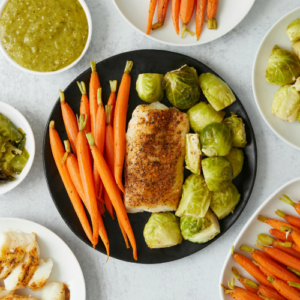
To promote general health, control weight, and lower the risk of chronic diseases, a low-fat diet plan focuses on consuming less fat and reducing harmful fats. It limits high-fat foods and encourages nutrient-rich foods, including fruits, vegetables, lean meats, and whole grains.
A low-fat diet: what is it?
Usually, a low-fat diet restricts the amount of fat consumed to 20–30% of daily calories. Reducing trans and saturated fats and selecting healthy fats are the objectives rather than eliminating fats.
Advantages of a low-fat diet:
- Encourages weight loss: Compared to protein or carbs, fat has more calories per gram. Cutting back on fat can help reduce total calorie intake.
- Enhances heart health: Limiting trans and saturated fats lowers the risk of heart disease and helps reduce cholesterol.
- Improves digestion: Digestive health is enhanced by a diet high in fibre from fruits, vegetables, and whole grains.
- Reduce risk of chronic illnesses: Obesity, diabetes, and high blood pressure can all be controlled with a low-fat diet.
Items to include in a low-fat diet:
- Fruits and Vegetables: Fruits and Vegetables: Oranges, apples, bananas, broccoli, carrots, spinach, tomatoes, and cucumbers are naturally low in fat and high in vitamins, fibre, and minerals.
- Whole Grains: Quinoa, brown rice, oats, and whole wheat bread all help digestion and offer long-lasting energy.
- Lean Proteins: Egg whites, lentils, beans, fish, and skinless chicken – all aid in muscle growth without adding extra fat.
- Low-Fat Dairy: Reduced-fat cheese, skim milk, and low-fat yoghurt supply calcium with less fat.
Avoid these foods:
- Fried foods: Samosas, pakoras, fried chicken, and French fries.
- High-Fat Dairy: Butter, cream, and full-fat milk.
- Processed foods: fast food, biscuits, and chips.
- Fatty Meats: processed meats like sausages and red meat with visible fat.
An example of a low-fat diet Plan:
- Breakfast: Green tea, oatmeal with fruits, Skim milk.
- Mid-Morning Snack: Papaya or Apple.
- Lunch: Dal (lentils), mixed vegetables, salad, brown rice or chapati.
- Evening Snack: Sprouts or roasted chana.
- Dinner: Steamed vegetables, soup, grilled chicken or paneer (low-fat).
Tips for adhering to a low-fat diet:
- Use healthful cooking techniques – baking, grilling, steaming, and boiling.
- Avoid excessive oil use and deep frying.
- Select minimal amounts of cooking oils, such as olive oil.
- Carefully read food labels.
- Avoid packaged and processed foods.
- Increase your consumption of fibre.
- Maintain adequate hydration.
Some common mistakes to avoid:
- Completely eliminating all types of fats.
- Eating too many refined and processed carbs.
- Skipping meals.
- Consuming “low-fat” processed foods.
5. Balanced Diet Plans
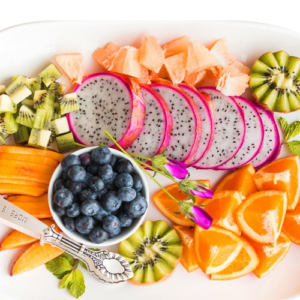
All necessary nutrients (carbs, proteins, fats, vitamins, fibre, and minerals) are present in a balanced diet in the proper amounts. It entails eating a variety of foods, including whole grains, fruits, vegetables, proteins, and healthy fats. They are ideal for overall health and well-being. Here, the key components of a balanced diet are clearly stated.
- Carbohydrates produce 50-60% calory of our body’s energy requirements. It is a main energy source that consists of vegetables, whole grains, and foods high in fibre.
- Proteins supply 10-30% calory of the total calories needed by our body. It is mostly necessary for immunity, muscular growth, and tissue repair. Lean meats, dairy products, fish, legumes, and tofu are examples of protein sources.
- Fats only supply 20-30% calories of our body’s daily requirements. It is especially important for the synthesis of hormones and the absorption of nutrients. Nuts, avocados, seeds, and olive oil are examples of healthy fat sources.
- Minerals and vitamins are essential to our body’s overall function. It is mostly important for metabolic processes and immune system functioning. Fruits, vegetables, and dairy products are rich sources of vitamins and minerals.
- For healthy digestion and the control of constipation, fibre is essential. Vegetables and whole grains are enriched with fibres.
- We must drink enough water daily for the proper functioning of our bodies.
A Sample of balanced diet plan:
- Fruits and vegetables: 50% of the plate.
- Whole grains (brown rice, whole wheat roti): 25% of the plate.
- Lean proteins (fish, chicken, tofu, and dal): 25% of the plate.
- A tiny quantity of dairy products: milk and yoghurt.
Advantages of a balanced diet:
- Boost energy: Offers sustainable fuel all day long.
- Weight management: Nutrient-dense food helps to maintain a healthy weight.
- Prevents disease: Reduces the chance of developing serious illnesses like heart disease, type 2 diabetes, and stroke.
- Boost immunity: Makes the body more resilient to disease.
6. Vegetarian Diet Plans

A vegetarian diet consists of plant-based foods, including fruits, vegetables, grains, legumes, and nuts, often incorporating dairy and eggs, but totally excluding meat, fish, and poultry. This diet decreases the risks of diabetes, hypertension, and heart disease. Protein, iron, and vitamin B12 are important nutrients that need to be controlled through a variety of whole-food options or fortified products. If a vegetarian diet is made on processed foods, sugar-filled beverages, or refined carbohydrates, it may still be unhealthy.
Vegetarian diet types:
- Lacto-vegetarian (including dairy): Consumes dairy products but stays away from meat and eggs.
- Ovo-vegetarian: Eats eggs but stays away from meat and dairy.
- Lacto-ovo vegetarian (which contains both): Rejects meat but consumes dairy and eggs (most common).
Advantages of a vegetarian diet for health:
- Promotes Heart Health: Vegetarian diets are often low in cholesterol and saturated fat, which lowers the risk of heart disease. Consuming a lot of fibre and antioxidants enhances heart health and blood flow.
- Helps with Weight Management: Because plant-based foods are typically higher in fibre and lower in calories, they help the stomach feel full and prevent overeating.
- Lowers the Risk of Chronic Illnesses: Studies indicate that vegetarians may be less likely to develop high blood pressure, type 2 diabetes, and some types of cancer.
- Enhances Digestion: Foods high in fibre, like fruits, vegetables, and whole grains, promote a healthy digestive system and help cure constipation.
Essential nutrients to pay attention to:
- A vegetarian diet is beneficial, but it must be carefully planned to prevent nutritional deficits. Thus, choose your nutrient sources wisely.
- Protein sources: Beans & lentils, chickpeas & tofu, soy products, nuts & seeds.
- Iron-enriched plants: kale, spinach, legumes, and fortified grains.
- Vitamin C foods, Such as tomatoes and oranges, can improve absorption.
- Vitamin B12: Since animal products are the primary source of this nutrient, vegetarians should consider fortified diets and supplements if needed.
- Calcium- enriched foods: Leafy greens, almonds, sesame seeds, and dairy products (for bone health).
- Omega-3 Fatty Acids: Walnuts, chia seeds, and flaxseeds
Advice on maintaining a vegetarian Diet:
- Include protein, healthy fats, and carbohydrates in your balanced meal plans.
- Try an Indian dish, a Mediterranean dish, or Thai cuisine for better taste and variety.
- To make sure you’re getting enough nutrients, read food labels.
- Maintain portion control and stay hydrated.
- If deciding a complete switch to a vegetarian diet, speak with a dietitian.
Facing possible difficulties:
- With the right information and preparation, the following difficulties can be handled with ease. Be alert, exercise caution and vigilance.
- Risk of iron, protein, and vitamin B12 shortages
- Restricted choices when dining out
- Initial adaptation to a new eating pattern
7. DASH Diet Plans
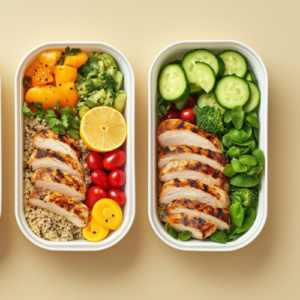
One of the most popular dietary regimens for enhancing general health and controlling blood pressure is the DASH diet (Dietary Approaches to Stop Hypertension). This diet, which was first created by researchers to help treat hypertension, has become well-known throughout the world for its heart-healthy, well-balanced nutritional approach.
The DASH diet: What is it?
The DASH diet consists of whole foods high in minerals like potassium, calcium, and magnesium. It is a flexible and balanced eating plan helping regulate blood pressure. It promotes healthier dietary choices and lowers salt intake. DASH emphasises long-term lifestyle modifications over temporary ones, in contrast to many restrictive diets.
Important DASH diet principles:
- Consuming more fruits and vegetables regularly.
- Selecting whole grains instead of processed ones.
- Including fish, poultry, and lentils like lean proteins.
- Cutting back on sodium salt intake.
- Reducing processed foods, sugar, and saturated fats.
- The above combination enhances general well-being, maintains a healthy weight, and promotes heart health.
Suggested daily servings of DASH diet:
Here are some broad guidelines for a 2000-calorie DASH diet.
- 6-8 servings of grains per day
- 4-5 servings of vegetables each day
- Fruits: 4-5 servings daily
- Low-fat dairy: 2-3 servings daily
- Not more than 6 servings of lean protein each day
- 4-5 servings of nuts, seeds, and legumes each week
- 2-3 servings of fats and oils each day
- Sweets: Not more than 5 servings per week
Foods included in the DASH diet:
- Fruits and vegetables consist of apples, bananas, oranges, spinach, carrots, and broccoli.
- Whole grains: whole wheat bread, brown rice, and oats
- Lean Proteins: Beans, lentils, fish, and chicken
- Low-Fat Dairy: Yoghurt, cheese, and milk
- Good sources of fat include nuts, seeds, and olive oil
Avoid these foods on the DASH diet:
- Sodium salt
- All processed and packaged foods
- Sweets and sugar-filled beverages
- Fatty slices and red meat
- Fast food and fried foods
- Dairy products with full-fat
Advantages of the DASH Diet for health:
- Lowers Blood Pressure: The DASH diet’s main objective is to naturally lower blood pressure without heavily relying on medication.
- Enhances Heart Health: It lowers LDL (bad cholesterol) and promotes cardiovascular health in general.
- Supports Weight Loss: It helps regulate calorie intake and encourages good weight management, focusing on nutrient-dense foods.
- Reduces the Risk of Chronic Illnesses: It may reduce the risk of renal disease, stroke, and type 2 diabetes.
An example of a DASH diet plan:
- Breakfast consists of a glass of low-fat milk and oatmeal with sliced banana.
- A handful of almonds as a midmorning snack
- Lunch consists of mixed vegetables, grilled chicken, and brown rice.
- Fresh fruit salad for an afternoon snack
- Dinner consists of whole wheat roti, sautéed vegetables, dal (lentils), low-fat yoghurt with a little honey, and dessert (optional).
Advice for adhering to the DASH diet:
- During the adjustment period of your test buds, gradually reduce the amount of salt.
- To control ingredients, cook more frequently at home
- Read food labels for proper control of sodium levels.
- Drink water to stay hydrated rather than sugar-filled beverages.
- For optimal effects, combine the DASH diet with regular exercise.
Who needs to adhere to the DASH Diet?
- Individuals with high blood pressure
- People who want to strengthen their hearts
- Those seeking a sustainable and well-balanced diet
- Anyone wanting to lead a healthy lifestyle
8. Mediterranean Diet Plans
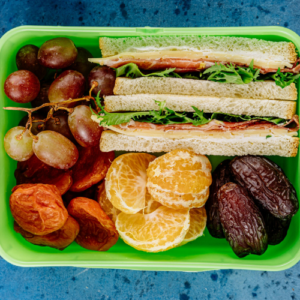
Many people consider the Mediterranean diet to be among the world’s healthiest eating habits. This diet emphasises whole, natural foods and a healthy lifestyle, getting inspired by the traditional cuisines of Mediterranean-bordering nations like Greece, Italy, and Spain. It is a sustainable eating style that supports long-term health and well-being.
The Mediterranean Diet: What does it mean?
The Mediterranean diet places a strong emphasis on lean proteins, healthy fats, and plant-based foods. It limits unhealthy fats and refined sugars as low as possible. Side by side, it promotes eating fresh, seasonal, and less processed foods. This diet is well-known for its flexibility and variety, making it simple to follow.
Fundamentals of the Mediterranean Diet:
- This diet is based on fruits, vegetables, whole grains, legumes, nuts, and seeds. These foods are enriched with antioxidants, vitamins, and minerals.
- The main source of fat in the Mediterranean diet is olive oil. It helps strengthen the heart by replacing butter and other bad fats.
- Fish, poultry, beans, and lentils are examples of lean protein sources. Fish like sardines, mackerel and salmon are especially preferred due to their enriched omega-3 fatty acids.
- Steer clear of red meat. Should be eaten a few times a month.
- Moderate amounts of cheese and yoghurt are used, ideally natural or low-fat versions.
- Fast food, refined sugar, and highly processed foods are reduced.
- Eating slowly, enjoying meals with family, and leading a balanced lifestyle are the core aspects of this diet.
Foods to Consume in this Diet:
- Fruits: Berries, grapes, apples, and oranges
- Vegetables: Cucumbers, tomatoes, broccoli, and spinach
- Whole Grains Source: whole wheat bread, oats and brown rice
- Legumes: beans, chickpeas, and lentils
- Nuts and Seeds: Sunflower seeds, walnuts, and almonds
- Avocados and olive oil are healthy fats.
- Fish and seafood: sardines, tuna, and salmon
- Dairy: cheese and yoghurt (in moderation)
- Herbs and Spices: oregano, basil, and garlic
Foods to Avoid in this Diet:
- All processed foods and snacks
- Sugar-filled beverages and desserts
- Refined grains (pasta, white bread)
- Too much red meat
- Hydrogenated oils and trans fats
Advantages of the Mediterranean Diet for Health:
- Antioxidants and good fats in this diet lower the risk of heart disease by reducing harmful cholesterol levels.
- This high fibre diet keeps you fuller for longer, which promotes weight loss and helps regulate hunger.
- Antioxidants and omega-3 fatty acids promote brain health and may lower the risk of cognitive decline.
- The Mediterranean diet reduces the risk of metabolic disorders, diabetes, and certain types of cancer.
- Individuals who adhere to this diet plan often have a longer life span.
Example of a Mediterranean diet plan:
- Greek yoghurt with honey, almonds, and fresh berries for morning breakfast
- An apple and a handful of almonds for a midmorning snack
- Lunch would be whole-grain bread and grilled vegetable salad with olive oil.
- Carrot and cucumber stick with hummus as an afternoon snack
- Dinner will be brown rice, steamed vegetables, grilled fish, fresh fruit, and dessert
Advice for Beginners:
- When cooking, use olive oil instead of butter.
- Increase your veggie intake at every meal.
- Prefer whole grains to processed ones.
- At least twice a week, include fish.
- Eat fruits and nuts as a snack rather than processed ones.
- Prepare food at home with fresh ingredients.
Common Myths About Dieting:
Myth 1: Skipping Meals Aids in Losing Weight
Skipping a meal slows metabolism and frequently results in overeating.
Myth 2: Every Fat Is Unhealthy
The body needs healthy fats, and they shouldn’t be removed.
Myth 3: Carbohydrates Lead to Weight Gain
Not all carbohydrates are bad. Fruits and whole grains provide good nutrients.
Myth 4: Starvation Is Associated with Diet
Balanced eating, not self-starvation, is the key to a good diet.
Disclaimer: The content of this page is not medical advice. These are only for information. It will be better for you to consult with a Health Professional / Nutritionist in this regard.
Superfoods – Nature’s Nutrient Powerhouse
#dietplans #ketodiet #lowcarbdiet #healthydietplans #diets #healthydiet #weightlossplans #fatlossdiet #weightlossprograms #dietplanforweightloss #7daydietplanforweightloss #healthyeatingplan #themenopausediet5dayplan #diet rich in antioxidants
Pingback: Skin Care Treatment & Body Care Tips
Pingback: Super Foods: Nature’s Nutrition Powerhouse