

How to Tackle Chronic Back Pain?
 Back pain is a common health issue that can affect people of almost any age. It may develop suddenly after lifting some heavy objects or gradually because of poor posture, prolonged sitting, muscle strain, physical inactivity, injuries, or changes affecting the spine. Some people experience mild discomfort, while others face persistent pain that interferes with work, sleep, walking, exercise, and everyday activities. Back pain may occur in the upper, middle, or lower back of the spine and can sometimes occur together with discomfort in neck and shoulder pain. In some cases, pain may transmit from the lower back into the buttock or leg, as can happen with sciatica. Understanding the possible causes, symptoms, treatment options, and preventive pain management can help people make informed decisions about their back pain issues.
Symptoms of Back Pain:
Back pain refers to discomfort anywhere along the back spine, including the upper back, middle back, and lower back of the spine. The pain may feel like an ache, stiffness, burning sensation, pressure, or a sharp pain sensation. Back pain duration and severity are variable in people. Some pains improve within days or weeks, while recurring or persistent pain may require physician consultation. Back pain can involve muscles, ligaments, joints, discs, nerves, or structures surrounding the back spine. Many conditions can produce similar symptoms; you can’t always identify the exact cause without proper medical diagnosis.
Common Causes of Back Pain:
There are many possible causes and reasons for back pain. Some common factors are described here.
- Muscle or ligament strain
- Poor posture
- Prolonged sitting
- Repetitive movements
- Heavy lifting
- Sudden twisting movements
- Lack of physical activity
- Sports injuries
- Falls or accidents
- Age-related changes in the spine
- Arthritis
- Disc problems
- Nerve irritation or compression
Lifestyle factors can also influence back pain. Spending many hours sitting at a desk, using a poorly adjusted workstation, or remaining physically inactive can contribute to muscle weakness and stiffness. Maintaining proper physical activity and learning safer lifting and movement techniques can help reduce unnecessary strain on the back.
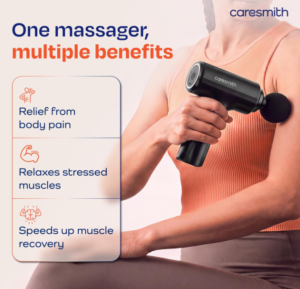
Back Spine Pain and Spinal Problems:
Back spine pain may occur from different structures around the spinal column. The spine consists of bones called vertebrae, discs between many of the vertebrae, joints, ligaments, cartilage, muscles, and nerves. Changes affecting these structures can sometimes create pain or stiffness. For example, a disc problem may irritate a nearby nerve, while muscle strain may cause localized discomfort and pain. Not all back pain indicates a serious spinal disease, but persistent pain, significant injury, neurological symptoms, or progressively worsening symptoms should be assessed by a specialist doctor.
Shoulder and Neck Pain:
Back discomfort may occur alongside shoulder and neck pain, particularly in people who spend extended periods using computers, smartphones, or other digital devices. Poor posture can create additional stress on the muscles supporting the neck and upper back. Holding the head forward for prolonged periods may increase muscle fatigue and stiffness. Main symptoms of neck and shoulder problems are described here.
- Stiff neck and shoulder
- Neck and shoulder discomfort
- Upper-back pain
- Reduced neck movement
- Muscle tightness
- Headaches associated with neck tension
Regular movement breaks, appropriate workstation positioning, and individualized exercises can help some people manage back problems.
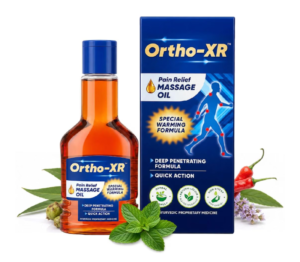
What is Stiff Neck and Shoulder:
A stiff neck and shoulder can occur after sleeping in an uncomfortable position, maintaining the same posture for a long time, experiencing muscle strain, or making a sudden movement. Gentle movement can help maintain mobility, but forcing the neck or repeatedly stretching into painful positions is not recommended. If stiffness is severe, lasts for an extended period, repeatedly returns, or occurs with weakness, numbness, fever, severe headache, or other concerning symptoms, medical diagnosis is necessary.
Spondelitis and Cervical Spondelitis:
Spondelitis is associated with inflammation affecting parts of the spine. It should not be confused with any type of age-related neck or back pain. The term cervical spondelitis is commonly used to describe degenerative changes in the cervical spine. Medical professionals may use more specific diagnostic terminology depending on the findings. Main symptoms associated with cervical spine problems are described here.
- Neck pain
- Neck stiffness
- Reduced range of motion
- Shoulder discomfort
- Pain extending toward an arm
- Tingling or numbness in some cases
Persistent symptoms should be evaluated by a physician rather than treated solely through self-diagnosis.
Lower Back Pain in Women:
Lower back pain in women may have the same causes seen in men, like muscle strain, poor posture, disc problems, and spinal changes. However, women may also experience other lower back discomfort associated with menstruation, pregnancy, pelvic conditions, or other health problems. The location and pattern of pain can sometimes provide useful information, but lower back pain in women should not automatically be attributed to a particular cause. Women experiencing persistent or unexplained lower back pain, waist pain, especially when accompanied by pelvic pain, unusual bleeding, fever, urinary symptoms, or other concerning symptoms, should seek medical advice.
Pregnancy Back Pain:
Pregnancy back pain is common and may occur as the body changes during pregnancy. Changes in body weight distribution, poor posture, muscle loading, and the supporting structures around the pelvis can affect the lower back. Pregnant women may consider the following useful tips.
- Every time, maintain a comfortable, supported posture.
- Avoid prolonged standing if possible.
- Use appropriate support in a sitting position.
- Remain physically active when possible.
- Use pregnancy-appropriate exercises recommended by a healthcare expert.
- Always avoid lifting heavy objects unnecessarily.
Pregnant women should consult their obstetric or maternity-care provider before starting any new exercise program or taking medication for back pain. Severe or unusual pain, particularly when accompanied by bleeding, fever, abdominal symptoms, contractions, weakness, numbness, or other serious symptoms, requires appropriate medical diagnosis.
Sciatica Back Pain:
Sciatica back pain is a symptom associated with irritation or compression of the sciatic nerve or its nerve roots. It commonly affects one side and may cause pain that travels from the lower back or buttock into the leg. The following are the main symptoms.
- Lower back pain
- Buttock pain
- Leg pain
- Tingling
- Numbness
- Weakness
Sciatica can have different causes, including disc-related problems, so treatment depends on the underlying cause and severity. People with significant weakness, increasing numbness, difficulty walking, or changes in bladder or bowel control should seek urgent medical advice.
Slip Disc Pain:
A slipped disc, commonly referred to medically as a herniated disc, develops when material from a spinal disc protrudes beyond its normal position and may irritate a nearby nerve. Slip disc pain may occur in the back or neck, and sometimes it can travel into an arm or leg, depending on the location of the affected disc. Here are the main symptoms.
- Localized back or neck pain
- Pain radiating into an arm or leg
- Tingling
- Numbness
- Muscle weakness
Not everyone with a slip disc problem experiences the above symptoms. Treatment totally depends on the individual’s health condition and may include activity modification, physical therapy, medication prescribed or recommended by a physician, and in selected cases, specialized medical treatment.
Back Pain Relief – Some Effective Ways:
Finding effective back pain relief depends on identifying the possible cause and considering an individual’s symptoms. For mild back pain, remaining physically active may be preferable to prolonged bed rest. Gentle movement of the body and gradual return to normal activities can be helpful for many people. Depending on the condition, a healthcare professional can recommend the following suggestions.
- Physical therapy
- Therapeutic exercises
- Strengthening exercises
- Flexibility exercises
- Posture correction
- Ergonomic improvements
- Heat or cold therapy
- Appropriate pain-relieving medication
- Treatment of an underlying medical condition
Medication should be used according to medical advice, particularly during pregnancy or when a person has other medical conditions or takes other medicines.
Physical Therapy for Back Pain:
Physical therapy for back pain can be an essential part of rehabilitation for many people. A physical therapist can assess movement, flexibility, strength, posture, and functional limitations and suggest an individualized program. Depending on the condition, physical therapy can suggest the following things.
- Core-strengthening exercises
- Back and hip strengthening
- Mobility exercises
- Stretching
- Posture training
- Movement education
- Balance and functional exercises
The aim is generally to improve movement and function while helping the person manage symptoms safely. Exercises should be individualized according to the conditions of back pain. An exercise that is appropriate for one person may not cure someone with a different spinal or neurological condition.
Neck Exercises for Neck and Shoulder Pain:
Appropriate neck exercises can help maintain mobility and strengthen muscles supporting the neck and upper back. Depending on an individual’s condition, a healthcare professional may advise the following gentle exercises.
- Chin-tuck movements
- Controlled neck rotation
- Gentle neck mobility exercises
- Shoulder-blade strengthening
- Upper-back mobility exercises
Exercises should be performed slowly and within a comfortable range, following the advice strictly. Avoid forcing the neck or continuing an exercise that creates significant pain. If neck exercises cause dizziness, severe headache, weakness, numbness, or pain spreading into the arm, stop and immediately seek medical advice.
Note: To Control Neck and shoulder Pain, you can practice these gentle exercise here, “Yoga with Adriene”.
How to Prevent Back Pain:
Although back pain cannot always be prevented, several healthy habits can support spinal and musculoskeletal health.
1. Stay Physically Active: Regular, appropriate physical activity can help maintain muscle strength, flexibility, bone health and general fitness.
2. Improve Sitting Posture: If you work at a desk, adjust your chair, screen, and workstation to create a comfortable posture. Take regular movement breaks rather than remaining in one position for long hours.
3. Lift Carefully: When lifting an object, avoid sudden twisting movements and use proper lifting techniques. Ask for assistance for heavy loads.
4. Maintain a Healthy Weight: Excess body weight can increase mechanical stress & strain on the musculoskeletal system. A balanced diet and regular physical activity can help prevent these problems.
5. Avoid Prolonged Inactivity: Remaining physically inactive for long periods can cause muscle stiffness. So, you need to follow regular physical activity to control back pain.
When to Consult a Doctor?
Many types of back pain improve with time and appropriate self-care, but some critical conditions require professional assessment. Seek medical attention for the following back pain.
- It is severe or rapidly worsening.
- It developed after a significant accident or injury.
- It persists or repeatedly returns.
- It is accompanied by unexplained weight loss.
- It occurs with fever or signs of infection.
- It causes significant weakness or numbness.
- It produces difficulty walking.
- It travels into an arm or leg with neurological symptoms.
Seek urgent medical advice if back pain is accompanied by new loss of bladder or bowel control, numbness around the groin or inner thighs, or significant weakness in the legs.
Frequently Asked Questions About Back Pain:
What are the most common causes of back pain? Common causes include physical inactivity, repetitive movements, muscle or ligament strain, poor posture, and lifting-related strain. Besides, many other possible causes may also be responsible for back pain.
Can back pain be treated with exercise? Exercise may be useful for many types of back pain, but the appropriate exercise depends on the main cause and severity. A physical therapist can recommend suitable exercises.
Is physical therapy good for back pain? Physiotherapy for back pain may help improve strength, mobility, posture, and function. The treatment plan should be suggested according to the person’s condition.
Can neck problems cause shoulder pain? Yes, problems involving the neck can sometimes create pain or other symptoms around the shoulder or arm. Persistent or neurological symptoms should be assessed by a physician.
What causes lower back pain in women? Possible causes include muscle strain, posture-related problems, spinal conditions, menstrual-related discomfort, pregnancy issues, and pelvic or other medical conditions.
Is pregnancy back pain normal? Back pain discomfort is common during pregnancy because of physical and postural changes. However, these severe, unusual, or concerning symptoms or issues should be discussed with a maternity-care professional.
What is sciatica Pain? Sciatica pain describes symptoms associated with irritation or compression of the sciatic nerve or its nerve roots. It commonly creates pain extending from the lower back or buttock into the leg.
Can a slipped disc cause back pain? Yes, a herniated or slipped disc can cause localized back or neck pain and may create radiating pain, numbness, tingling, or weakness if a nearby nerve is affected.
Yoga for Back Pain:
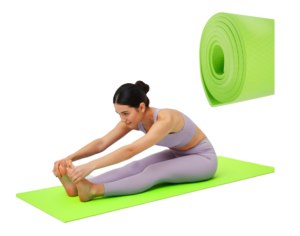
Yoga can be a helpful part of a healthy lifestyle for people experiencing mild or occasional back discomfort. Yoga exercises can improve flexibility, strengthen supporting muscles, reduce stiffness, and promote better posture. However, yoga is not suitable for every cause of back pain, so exercises should always be performed carefully under a yoga expert teacher. The following yoga poses can be helpful to reduce back pain.
- Cat-Cow Pose: It helps gently mobilize the spine and reduce stiffness.
- Child’s Pose: It provides a comfortable stretch for the back and hips.
- Bridge Pose: It strengthens the glutes and muscles supporting the lower back.
- Knee-to-Chest Stretch: It may gently stretch the lower back and hips.
- Pelvic Tilts: It encourages controlled movement of the lower back and improves body awareness.
When practicing yoga for lower back pain, move your body slowly and avoid forcing any stretch. Discontinue immediately if an exercise increases your pain. People with severe or persistent back pain, spinal conditions, recent injuries, numbness, weakness, or pain radiating into the legs should consult a professional healthcare expert before starting yoga.
Note: To Control Back Pain, you can practice this yoga exercise here, “Mady Morrison”.
Medical Disclaimer: This article is intended for general educational and informational purposes only, and it should not be considered medical diagnosis or treatment advice. Back, neck, shoulder, sciatica, disc, or spinal symptoms can have different causes & reasons and require individualized assessment. Never start exercises, stop prescribed treatment, or take medication based solely on this article. Pregnant women and people with severe, persistent, worsening, or neurological symptoms should consult a medical professional.
Free-of-Cost Medical Treatment at Sri Sathya Sai Hospital
#backpain #backpainrelief #shoulderandneckpain #neckandshoulderproblems #discomfortinneckandshoulder #stiffneckandshoulder #backspin pain #physicaltherapyforbackpain #Spondelitis #cervicalspondelitis #lowerbackpaininwomen #pregnancybackpain #waistpain #slipdiscpain #neckexercises #painmanagement #sciaticabackpain #backproblems