

Worried for Acne and Pimples Spot?
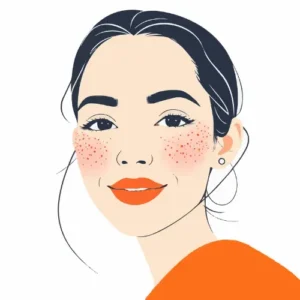 Acne and pimples are the most common skin concerns affecting teenagers and adults. They can appear on the face, forehead, chest, back, shoulders, head and other areas of the body. Some people experience occasional small pimples on face, while others develop persistent acne, painful bumps, pimple marks and pimple scars. Acne is usually not dangerous, but persistent or severe breakouts can affect confidence and may leave lasting spot marks. The good news is that acne can often be controlled with consistent skin care techniques, proper treatment, and healthy lifestyle habits. This guide explains the common types of acne and pimples, their possible causes, home-care options, acne during hormonal changes, and when professional medical treatment may be necessary.
What causes Acne?
Acne is a common inflammatory skin problem that develops when hair follicles become clogged with oil, dead skin cells, and other substances. Increased oil secretion, inflammation, hormonal changes, and certain bacteria can contribute to breakouts. It can occur at any age of life. Teenagers commonly experience acne because of hormonal changes during puberty, but adults can also develop hormonal acne, particularly around menstruation or other hormonal changes. It is not simply the result of poor hygiene or a liver problem. Washing the skin excessively or scrubbing aggressively can irritate the skin and potentially make acne worse.
What Causes Pimples?
Several factors are responsible for pimples on face, mentioned below.
- Excess oil secretion
- Blocked hair follicles
- Hormonal fluctuations
- Past family history
- Certain allergic medications
- Oily type or pore-clogging cosmetics
- Excessive friction or pressure on the skin
- Stress, which may worsen existing pimples
- Certain dietary meals in some individuals
Different people may have different triggers, so identifying what repeatedly causes or worsens your pimples can be helpful.
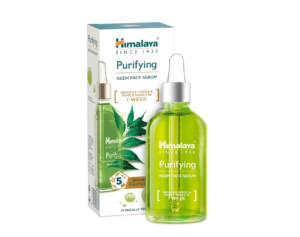
Types of Acne and Pimples:
Understanding different types of acne and pimples can help you recognize what is happening to your skin.
- Blackheads, Whiteheads and Comedones: Comedones are the medical term for clogged hair follicles. Open comedones are commonly called blackheads, and closed comedones are commonly called whiteheads. Blackheads look dark because the material inside the pore reacts with air. They are never caused by dirt and dust. Whiteheads develop when a clogged pore remains closed at the surface. They look like small, pale or skin-colored bumps.
- Papules: Papules are small, raised, inflamed bumps that are often red and tender. They do not usually carry visible pus.
- Pustules: Pustules are inflamed pimples that contain pus. They have a white or yellow centre surrounded by redness.
- Nodules and Cysts: Nodules and cysts are deeper, larger, and painful forms of acne. They can have a higher risk of causing pimple scars and should generally be diagnosed by a dermatologist.
Why Acne and Pimples Occur on the Face?
Acne and pimples are particularly common on the face because it has many oil-producing glands. It can occur around the cheeks, nose, chin, jawline, and forehead. If you notice recurring small pimples on your face, please avoid repeatedly changing skincare products. A simple routine with a gentle cleansing face wash, an appropriate moisturiser, sunscreen, and a suitable acne treatment may help your skin stay under control. Avoid squeezing facial pimples because picking can increase inflammation and raise the risk of pimple spot marks and scars.
Pimples on the forehead can occur because of oil secretion, clogged pores, sweat, hair products, or friction. Hair oils, styling products, hats, helmets, and headbands can sometimes contribute to pimples in this area. Wash your face gently and always avoid allowing oily hair products to remain on your forehead. However, forehead acne can have several causes, so persistent breakouts should be checked by a dermatologist if they do not improve.
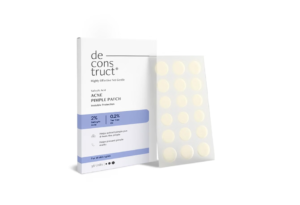
Other Types of Acne and Pimples:
- Hormonal Pimples: Hormone fluctuations can influence oil secretion and inflammation. Hormonal pimples commonly occur around the lower face, jawline, and chin area in some adults. Hormonal acne sometimes requires special treatments beyond ordinary skin-care products.
- Period Pimples: Period pimples may appear or become worse before or during menstruation because of normal hormone fluctuations. These pimples may recur around the same time during successive menstrual cycles. If acne repeatedly becomes severe around your menstrual period, a dermatologist or healthcare professional can suggest proper treatment options.
- Pimples During Pregnancy: Pimples during pregnancy can occur because pregnancy involves substantial hormone changes. So, not all acne medications are appropriate during pregnancy. If you are pregnant or breastfeeding, speak with your healthcare professional before using any acne medication. Any treatment suggested as “suitable” is not always safe during pregnancy. Avoid strong acne care treatments without appropriate medical guidance.
- Newborn Pimples: Newborn pimples are generally different from teenage or adult acne. Babies can develop small red or white bumps on the face area during the early weeks of life. These may be related to normal hormone influences and often improve without specific acne treatment. Do not apply adult acne products, essential oils, harsh cleansers, or medicated creams to a newborn’s skin unless a pediatrician or dermatologist advises it. If a newborn baby develops widespread blisters, fever, significant swelling, appears unwell, or develops rapidly worsening skin changes, seek medical attention promptly.
Why Acne and Pimples Occur on Other Body Parts?
Besides the face area, Acne and pimples can occur on other body parts, particularly on the chest, boobs, vagina, and tongue.
- Chest Pimples: They can occur because of excess sweat, oil, friction, tight clothing, or blocked follicles. Showering after heavy exercise, wearing breathable cotton clothing, and changing out of sweaty clothes can help reduce irritation. Not every chest bump is a pimple. Conditions such as folliculitis can resemble acne, but they always require different treatments. A dermatologist should evaluate persistent or unusual lesions.
- Boob Pimple: A boob pimple may be a blocked hair follicle or acne-like lesion, but sweat, heavy friction, hormonal changes, and tight clothing can contribute to bumps around the breast area. So, not every breast lump or skin change is a pimple. Do not try to squeeze a persistent or unusual breast lesion. Better to seek medical advice if you notice a lump, persistent redness, nipple changes, discharge, significant pain, or a skin color change that does not resolve.
- Vaginal Pimples and Labia Minora Pimple: People sometimes use the terms vaginal pimples or labia minora pimples to describe the bumps around the genital area. However, these bumps can have many other causes and are not necessarily acne. Possible causes may be blocked glands, ingrown hairs, irritation, cysts, infections, or other skin conditions. Because the genital area is very sensitive, avoid squeezing, puncturing, or applying acne products or essential oils without medical advice. A medical professional should assess painful, recurrent, rapidly growing, ulcerated, blistering, itchy, or unusual genital lesions, particularly when accompanied by discharge, fever, or other symptoms.
- Pimple on the Tongue: A pimple on the tongue is not usually a typical acne pimple because acne affects hair follicles, which the tongue does not have. A bump on the tongue may be caused by irritation, an inflamed taste bud, an ulcer, infection, trauma, or another condition. Avoid attempting to pop or cut this bump. If a tongue lesion is persistent, very painful, repeatedly bleeding, associated with difficulty swallowing or breathing, or does not heal, consult a medical advisor.
Home Remedies for Pimples:
Many people search for home remedies for acne and pimples. Some home remedies can support healthy skin, but they should not replace proven acne treatment when acne is persistent or severe. Helpful home-care remedies include the following things.
- Wash gently with a mild cleanser.
- Avoid excessive scrubbing.
- Keep hands away from the face.
- Change out of sweaty clothing after exercise.
- Use non-comedogenic moisturizer and sunscreen.
- Avoid heavy, pore-clogging cosmetics.
- Never squeeze or pick pimples.
- Maintain a balanced diet and healthy lifestyle.
Be careful with online-advertised remedies involving lemon juice, baking soda, toothpaste, undiluted essential oils, or abrasive scrubs. These can irritate or further damage the skin.
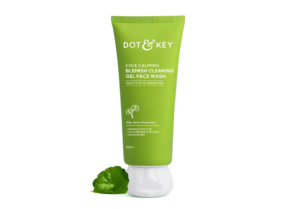
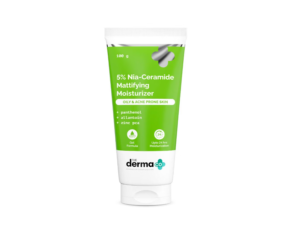
Pimple Treatment at Home:
For mild acne and pimples, treatment at home may involve over-the-counter products containing ingredients such as salicylic acid or benzoyl peroxide. These ingredients can help with clogged pores and inflammatory acne when used appropriately as per instructions. Use one active treatment at a time and follow the product instructions properly, but Irritation, dryness, redness, or peeling can occur. A basic routine can be followed this way.
- Morning: Gentle cleanser → moisturizer → broad-spectrum sunscreen.
- After sweating: Gently cleanse or shower and change into clean clothing.
- Night: Gentle cleanser → appropriate acne treatment → moisturizer.
Give a treatment sufficient time to work rather than changing products every few days. If acne worsens or causes significant irritation, seek medical advice.
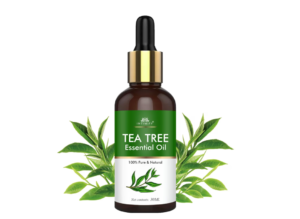
Tea Tree Oil for pimples:
Tea tree oil for acne and pimples is a popular complementary skin-care option. Some research suggests that topical tea tree oil may have activity against pimples, but it can also cause irritation or allergic reactions. Never apply concentrated essential tea tree oil directly to the skin. Choose a suitable tea-tree-oil product, use according to its instructions, and stop if irritation occurs. Tea tree oil should not be considered a substitute for topical acne treatment, especially for moderate or severe acne.
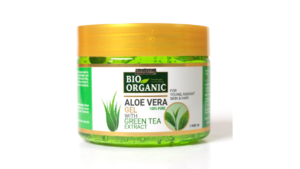
Aloe Vera for Pimples:
Aloe vera for acne and pimples is another popular home-care concept. It may have soothing properties, but it alone never treats acne and pimples properly. If using an aloe vera product, choose a suitable skin-care formulation and perform appropriate precautions if you have sensitive skin. Avoid aloe vera products containing irritating fragrances or unnecessary additives. Aloe vera may cool irritated skin but should not be relied upon to treat severe inflammatory acne and pimples.
Pimple Marks vs Pimple Scars:
It is important to distinguish between pimple marks and true pimple scars. After acne and pimples heal, some people develop flat areas of darker or red-colored skin. These are often post-inflammatory marks rather than permanent scars and gradually fade. Acne and pimple scars involve changes in the skin’s texture, and they may appear as depressions or raised spotted areas and can be more difficult to treat. The best way to reduce acne scarring is to control acne in the early stage and avoid picking or squeezing pimples.
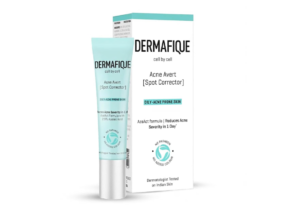
Laser Treatment for Scars:
Laser treatment for acne scars may be considered for certain types of acne scarring. Different laser technologies are used for different acne scar patterns, skin types and types of pimples. Laser treatment is not suitable for everyone, and results from person to person vary. A dermatologist should assess your skin and scar type before recommending any laser therapy. Considering the case study, other procedures such as microneedling, chemical peels, subcision, or prescription treatments may also be considered. People with darker skin tones should discuss the risk of post-inflammatory pigmentation with an experienced dermatologist before undergoing any laser treatment.
How to Prevent Acne and Pimples:
Although it may not be possible to prevent every breakout, following habits can help control acne and pimples.
- Cleanse acne gently twice daily and also cleanse after heavy sweating.
- Avoid picking, squeezing, or scratching pimples with your fingers.
- Choose non-comedogenic, suitable skincare and makeup products.
- Use protective sunscreen regularly.
- Keep oily hair products away from acne-prone skin.
- Always change sweaty clothing promptly.
- Maintain a balanced diet chart and regular sleep schedule.
- Manage stress through daily healthy activities.
- Follow acne and pimple treatment consistently.
- Seek medical advice when acne is severe or persistent.
When Should You Consult a Dermatologist?
Consult a dermatologist if acne is severe, painful, persistent, rapidly worsening, leaving scars and spots, or not improving with appropriate over-the-counter treatment. Professional treatment may include prescription topical medicines, oral medications, hormonal therapies, or procedures depending on the diagnosis and individual symptoms. Early treatment can be particularly useful when deep, painful acne is developing and spreading. Severe inflammation can increase the risk of permanent scarring on the skin.
Warning Signs of Acne and Pimples:
Most acne does not require emergency treatment; however, seek prompt medical attention if it develops. The following points should be carefully considered.
- Rapidly spreading redness, warmth, swelling, or severe pain on the skin.
- Fever or chills with a worsening skin lesion found.
- Severe facial swelling, especially around the eye area.
- Red streaks spreading rapidly from a skin lesion.
- Extensive blistering or skin peeling after using an acne product or medication.
- A rapidly worsening or severely infected-looking acne lesion.
After using any acne product or medicine, if you feel difficulty breathing, throat or tongue swelling, or faintness, seek emergency medical help immediately for a rapidly changing, bleeding, ulcerated, or unexplained lesion. Genital, breast, tongue, or other unusual bumps should not automatically be assumed to be acne and pimples. Only medical assessment is appropriate when the appearance or symptoms are unusual or persistent.
Medical Disclaimer: The information provided in this article is intended only for general educational and informational purposes, and it should not be considered as medical advice, diagnosis, or treatment. Do not start, stop, or change any medication solely based on this article. Pregnant or breastfeeding women should consult a qualified healthcare professional before using acne medications or essential oils.
Free-of-Cost Medical Treatment at Sri Sathya Sai Hospital
#acne #pimples #pimplesonface #typesofpimples #blackheads #comedones #smallpimplesonface #pimplesonforehead #homeremediesforpimples #pimplemarks #pimpletreatmentathome #teatreeoilforpimples #aloeveraforpimples #pimplescars #lasertreatmentforscars #pimplesduringpregnancy #periodpimples #boobpimple #hormonalpimples #newbornpimples #pimpleonthetongue #labiaminorapimple #vaginalpimples #chestpimples