

Don’t Worry – Obesity and Overweight Problems Are Curable
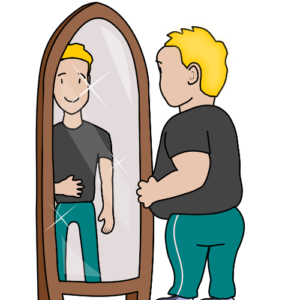
Do you feel stressed about obesity and being overweight? It not only has an impact on your body’s appearance but also increases serious health hazards. Understand the obesity symptoms and take the right actions on how to control obesity. Here we will explore the symptoms of obesity, strategies to resist obesity, and methods to lose excess body weight gradually.
Main Obesity Symptoms:
Obesity is a multifaceted condition that develops over time, and its signs can impact both physical and mental well-being. Below are the most prevalent signs and indicators of obesity.
1. There is an accumulation of excess fat throughout the body, particularly noticeable around the abdomen, thighs, hips, and arms.
2. Experiencing difficulty in breathing during simple tasks such as walking or climbing stairs.
3. Increased perspiration is observed due to the body exerting more effort to move and maintain its temperature, often resulting in excessive sweating.
4. Feeling tired and low on energy even after a little physical activity, along with occasional daytime drowsiness.
5. Additional body weight creates strains on joints, resulting in lower back, hip, and knee pain.
6. Overweight causes Sleep apnea, which is characterised by fat buildup around the neck that can constrict the airway and cause breathing to actually cease while you sleep. Sleep apnea is a common condition that causes breathing to be interrupted during sleep.
7. Critical conditions can arise, such as increased cholesterol, darker skin patches often around the neck or underarms, development of stretch marks on the arms, hips, thighs, and abdomen.
8. Anxiety, depression, social isolation, and low self-confidence can develop in a person due to that person’s overweight problem.
9. Other conditions, including hormonal abnormalities, frequent hunger and overeating, diminished stamina, and difficulties in moving, can also create a serious health disorder.

What is BMI?
- Body Mass Index (BMI) is a screening tool that estimates the total body fat content of a person based on his height and weight.
- It is calculated as: Weight (Kg) / Height (meter square)
- This bmi indicator categorizes adults as underweight, normal weight, overweight, or obese.
- Though BMI is a general indicator of health risks, it does not directly measure body fat or account for muscle mass.
BMI Categories for Adults:
- Underweight: Below 18.5
- Healthy: 18.5–24.9
- Overweight: 25.0–29.9
- Obesity: 30.0 and above
Key Considerations of the BMI index:
- Main Purpose: It helps to identify potential weight-related health risks, such as heart disease or metabolic health issues.
- Limitations: It does not directly account for muscle mass, bone density, or fat distribution. Because active individuals with high muscle mass may have a high BMI without excess body fat.
- Usage: BMI is a quick, low-cost body bmi calculator rather than a diagnostic measure
N.B. For a quick BMI calculation, you can use online tools like the NHLBI BMI Calculator / Calculator.net
Strategies to Resist Obesity Symptoms and Overweight
Building long-lasting behaviors that keep a healthy body weight over time is more important in the fight against obesity than finding a quick fix. In addition to lifestyle, environment, and heredity, obesity and overweight are frequently associated with an imbalance between calories burned and calories ingested. Here is a useful, scientifically grounded piece of advice to help you successfully manage and prevent it.
1. Always concentrate on eating a balanced diet. The most important factor is what you consume, only to loss weight.
2. Consume whole foods such as fruits, vegetables, whole grains, lean meats, and healthy fats as part of an obesity diet. Always control your consumption quantity, because an excess amount of consuming even healthful foods can create more weight gain.

3. Limit your consumption of fast food, junk food, and sugar-filled beverages. Fast insulin spikes are caused by high-sugar, low-fiber foods like sodas, sweetened coffees, and excessive fruit juices.
4. Consume adequate water before every meal to control appetite and metabolism.
5. At every meal, put non-starchy veggies (such as spinach, cauliflower, etc.) on half of your plate.
6. Frequent exercise increases metabolism and aids in calorie burning. Try to get in at least 210 minutes a week of moderate exercise like swimming, cycling, jogging, and walking.
7. To gain muscle, use strength training 2-3 times a week. Walking small distances or using the stairs is also important.
8. Develop a healthy diet habit. A consistent routine and mindset are very important to achieve it.
9. Steer clear of stressful or emotional eating and always eat thoughtfully and slowly.
10. Avoid missing meals in your daily routine, particularly breakfast. Follow your eating schedule consistently and regularly.
11. Make sure you get at least 8 hours of sleep every night, because hormones that regulate hunger can be affected by sleep deprivation.
12. Long-term stress (caused by a busy schedule of professional work life) can cause overeating habits and weight gain.
13. Always engage yourself in relaxing methods like meditation or yoga.
14. Take part in pastimes, hobbies and passions or pursuits that you constantly find enjoyable.
15. Maintain social ties with your near and dear ones to reduce your stress, anxiety and depression.
16. Check your weight regularly, at least once a week. This weight tracking record will raise awareness of your weight loss progress. If necessary, also keep a diet or activity journal as well.
17. Cut back on your sedentary lifestyle. Take a stretch or stand a lot frequently during a long sitting job in the office or at home.
18. Set screen time limits for computers, phones, and televisions for mind and body rest.
N.B. If weight gain persists, consult a physician or nutritionist.

Obesity Symptoms and Loss Weight – A Few Misconceptions
- Just eat less food and work harder to reduce obesity.
- Diabetes is always brought on by obesity.
- People with obesity are found to be lazier.
- If anyone in your family is obese, it will undoubtedly affect you.
- Health is never affected by obesity.
The statements above are not entirely correct. A health practitioner can identify the main cause of obesity.
Pickwickian Syndrome – Main Causes, Symptoms and Treatment
Pickwickian syndrome, medically known as obesity hypoventilation syndrome (OHS), is a serious breathing disorder associated with obesity. It occurs when excess body weight interferes with normal breathing, causing too little oxygen and too much carbon dioxide to build up in the blood, particularly during sleep. The condition often occurs alongside obstructive sleep apnea (OSA).
Symptoms of Pickwickian Syndrome:
Symptoms may develop gradually and can be mistaken it as ordinary effects of obesity or poor sleep. Common symptoms are these.
- Excessive daytime sleepiness.
- Loud snoring.
- Morning headaches.
- Shortness of breath.
- Fatigue and low energy.
- Difficulty concentrating.
- Poor-quality or interrupted sleep.
- Swelling of the legs or ankles.
- Bluish discoloration of the lips or fingers in severe cases.
Untreated OHS can increase the risk of pulmonary hypertension, heart problems and other serious complications.
Risk Factors:
The exact mechanism is very complex, but obesity can place additional pressure on the chest and abdomen, making it harder for the lungs and respiratory muscles to work efficiently. Obesity may also affect the brain’s normal response to increased carbon dioxide levels. The following are the risk factors.
- Severe or long-standing obesity.
- Obstructive sleep apnea.
- Poor sleep quality.
- Reduced physical activity.
- Certain medical conditions affecting breathing.
- Use of medications that suppress breathing, such as some sedatives or opioids.
Diagnosis of OHS:
Doctors may suspect Pickwickian syndrome in a person with obesity who has daytime breathing problems or symptoms of sleep-disordered breathing. Diagnosis may involve these procedures.
- Checking medical history and physical examination.
- Measuring blood oxygen levels.
- Arterial blood gas testing to find oxygen and carbon dioxide levels.
- Sleep studies to identify the nature of sleep apnea and nighttime breathing abnormalities.
- Lung function tests.
- Blood tests to rule out other possible causes of elevated carbon dioxide.
Treatment of OHS:
Treatment mainly focuses on improving breathing, reducing excess weight and managing associated conditions. Positive airway pressure (PAP) therapy, including CPAP or other forms of noninvasive ventilation, is commonly used, particularly when obstructive sleep apnea is found. Weight management is an important part of long-term treatment of OHS. A structured approach involving nutrition, physical activity and professional medical support may help improve breathing and overall health. In selected individuals, weight-management medicines or bariatric surgery may be considered by healthcare professionals.
When to Consult a Doctor:
Persistent daytime sleepiness, loud snoring, unexplained breathlessness or morning headaches – especially in an obese person – should not be ignored. Severe breathing difficulty, bluish lips or extreme drowsiness require urgent medical attention.
Medical disclaimer: This article is only for educational purposes and should not replace medical diagnosis or treatment. Anyone experiencing symptoms of Pickwickian syndrome should immediately consult a medical professional.
Free-of-Cost Medical Treatment at Sri Sathya Sai Hospital
#obesity #overweight #obesitysymptoms #bmiindicator #bmicalculation #bmicalculatorwomen #bmicalculatorfemale #obesebmi #caloriedeficit #caloriedeficitdiet #lowcaloriefoods #howtocontrolobesity #obesitydiet #obesityhowtocontrol #bmiformula # bodybmicalculator #bmiindex #bmibodymassindex #bmimeaning #bmiandobesity #pickwickiansyndrome #obesityhypoventilationsyndrome #bmichart #bmicalculation #bmicalculatorcalculator #pickwickiansyndrome #obesityhypoventilationsyndrome
Pingback: Free-of-Cost Medical Treatment in Sri Sathya Sai Hospital
Gastrolagist
Ok