

Are You Facing Serious Gut Problems?
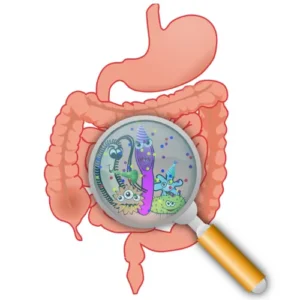 Chronic gut problems (IBS) can affect digestion, bowel habits, body balance, sleep, and overall quality of life. Symptoms such as gut bloating, abdominal discomfort, lower gut pain, chronic constipation, diarrhea, gas, acid reflux, and heartburn may occur for many different reasons. One common condition associated with long-term digestive disorder symptoms is Irritable Bowel Syndrome (IBS). IBS is a common disorder of the gut-brain interaction that can seriously cause frequent abdominal pain along with changes in bowel habits. Although IBS does not usually damage the digestive tract, its symptoms can be persistent and disruptive in nature.
What Are Chronic Gut Problems?
“Gut problems” is a broad term covering many digestive symptoms and conditions mentioned below.
- Persistent bloating and gas
- Abdominal or lower gut pain
- Constipation or frequent bowel movements
- IBS diarrhea
- Changes in stool consistency
- Indigestion and nausea
- Food-related digestive discomfort
- Acid reflux and heartburn
- Changes in appetite
These symptoms can have numerous causes, such as IBS, food intolerances, infections, inflammatory bowel diseases, gastroesophageal reflux disease (GERD), medication effects, and other gastrointestinal conditions. Persistent or unexplained bowel symptoms should be evaluated by a medical professional rather than being automatically attributed to IBS.

What Is Irritable Bowel Syndrome (IBS)?
Irritable Bowel Syndrome (IBS) is a chronic gastrointestinal condition characterized primarily by recurrent abdominal pain associated with abnormal changes in bowel movements. IBS may be classified according to the predominant bowel pattern, which includes the following parameters.
- IBS-C: ibs with constipation
- IBS-D: ibs with diarrhea
- IBS-M: IBS with mixed constipation and diarrhea
Symptoms can fluctuate over time, and some people experience relatively few symptoms followed by flare-ups triggered by certain foods, stress, changes in routine, or other factors.
Common Symptoms of IBS:
IBS symptoms vary from person to person, but these are the common symptoms.
- Abdominal pain or cramping
- Gut bloating
- Gut inflammation
- Excessive gas
- Diarrhea
- Constipation
- Alternating diarrhea and constipation
- Feeling of incomplete bowel evacuation
- Changes in stool appearance
- Increased abdominal discomfort after eating
People with IBS may also report symptoms like fatigue, sleep difficulties, or food-related anxiety, although these symptoms can have many possible causes.
Gut Bacteria and Digestive Health:
The digestive tract is filled with trillions of microorganisms collectively known as the gut microbiome. These microorganisms can influence digestion, immunity, metabolism, and communication between the gut and nervous system. Changes in the composition or activity of the gut microbiome may be associated with some gastrointestinal symptoms. A balanced diet containing a variety of plant foods can always help support overall gut health.
Gut Inflammation and IBS:
People often search for information about gut inflammation-related matters when they experience chronic digestive symptoms. However, IBS is quite different from inflammatory bowel diseases such as Crohn’s disease and ulcerative colitis. IBS generally does not cause the intestinal inflammation and tissue damage symptoms of bowel disease. Symptoms such as blood in the stool, unexplained weight loss, persistent fever, anemia, or significant nighttime symptoms require medical advice.
Best Diet for Gut Health:
No single diet works for everyone, but a healthy eating pattern must consist of the following things.
- Vegetables and fruits as tolerated
- Whole grains and other high-fiber foods
- Legumes when tolerated
- Nuts and seeds
- Adequate fluids
- A variety of minimally processed foods
- Appropriate sources of protein
People with IBS may find that certain foods worsen their bowel symptoms. A medical professional or registered dietitian may recommend an individualized approach.
Low-FODMAP Diet and IBS:
A low-FODMAP diet is very beneficial, and sometimes it is used to manage IBS. FODMAPs are fermentable carbohydrates that create gas, bloating, abdominal pain, and altered bowel habits in susceptible individuals. This diet is usually implemented in stages rather than followed indefinitely without professional guidance. A dietitian can help identify individual triggers while maintaining adequate nutrition for the body.
Probiotic Foods for Gut Health:
Probiotic foods contain live microorganisms that usually provide many health benefits when consumed in adequate amounts. Some examples are mentioned here.
- Yogurt containing live cultures
- Kefir
- Certain fermented milk products
- Some traditionally fermented foods
Not every fermented food necessarily contains live probiotics, and the benefits can vary depending on the specific microorganisms and individual.
Fermented Foods for Gut Health:
Fermented foods for gut health may consist of yogurt, kefir, kimchi, sauerkraut, and other traditionally fermented foods. They can contribute beneficial microorganisms or fermentation-derived compounds to a healthy diet. However, some fermented foods may aggravate symptoms in people with IBS, particularly when they contain ingredients that trigger bloating and other digestive complaints.
Probiotics and Prebiotics for Gut Health:
Probiotics for gut health are live microorganisms that may provide health benefits to all. Some specific probiotic strains have been studied for IBS symptoms, but results are inconsistent, and probiotics are not providing equal results for everyone. Prebiotics for gut health are dietary substances, specific types of dietary fiber, that can be utilized by beneficial microorganisms in the gut. Foods that contain prebiotic fibers are onions, garlic, asparagus, bananas, oats, and legumes. If increasing fiber or prebiotic foods causes significant bloating, then gradually increasing intake and choosing better-tolerated foods may be more appropriate.

IBS Therapy and Treatment:
There is no single suggested treatment that cures IBS properly. IBS therapy mainly focuses on reducing symptoms and improving quality of life. Depending on the person’s symptoms, the following things can be included.
- Dietary modification
- Adequate hydration
- Gradual dietary fiber adjustment
- Regular physical activity
- Stress-management techniques
- Sleep and lifestyle improvements
- Selected medications
- Psychological therapies when appropriate
- Carefully selected probiotics in some cases
Treatment for IBS diarrhea may differ from treatment for IBS constipation. A physician can help determine the appropriate approach.
IBS With Constipation:
IBS with constipation (IBS-C) is a type of irritable bowel syndrome in which chronic constipation is the predominant bowel problem. Common symptoms are hard or infrequent stools, abdominal pain, bloating, gas, and a feeling of incomplete bowel movements. Increasing suitable dietary fiber gradually, drinking enough fluids, staying physically active, and following an individualized treatment plan may help manage these symptoms.
Stress-Induced IBS:
Stress induced IBS are symptoms that become worse during periods of emotional stress or anxiety. Stress can influence communication between the brain and digestive system, potentially increasing abdominal pain, frequent bloating, diarrhea, or constipation. Proper stress management, regular exercise, adequate sleep, relaxation techniques, and appropriate IBS therapy may help reduce flare-ups.
GERD, Acid Reflux and Heartburn Symptoms:
IBS and gastroesophageal reflux disease (GERD) are different digestive conditions, although some people may experience symptoms of both. GERD occurs when stomach acid repeatedly flows back into the esophagus, potentially causing acid reflux, heartburn, regurgitation, chest or upper abdominal discomfort and a sour or bitter taste.
Gastroesophageal Reflux Disease Treatments:
Gastroesophageal reflux disease treatments may include lifestyle changes and medications, depending on symptoms and medical assessment. Helpful measures for some people are avoiding meals shortly before lying down, identifying foods that trigger symptoms, maintaining a healthy weight of body, and raising the head of the bed for nighttime reflux. Medications such as antacids, H2-receptor blockers, or proton pump inhibitors may be recommended in appropriate circumstances by medical professionals. Long-lasting or frequent heartburn should be discussed with a physician rather than managed indefinitely with self-treatment.
Heartburn Symptoms – When to Consult a Doctor:
Occasional heartburn relief may respond to lifestyle changes or appropriate over-the-counter treatment, but frequent symptoms may indicate GERD or another condition requiring evaluation. Seek urgent medical attention for chest pain accompanied by symptoms like shortness of breath, sweating, dizziness, or pain spreading to the arm, jaw, or back, because these symptoms can sometimes indicate a heart-related emergency.
When Chronic Gut Problems Need Medical Advice:
Do not assume that persistent digestive disorder symptoms are simply IBS. Medical evaluation is particularly important if you experience the following symptoms.
- Blood in the stool
- Black or tarry stools
- Unexplained weight loss
- Persistent vomiting
- Fever
- Anemia
- Severe or progressively worsening abdominal pain
- Difficulty swallowing
- Persistent nighttime symptoms
- A significant change in bowel habits
- New digestive symptoms later in life
- A strong family history of gastrointestinal disease
These symptoms may require medical investigation for conditions other than IBS.
Frequently Asked Questions:
Can IBS cause bloating?
Yes. Gut bloating is a common symptom of IBS and may occur alongside abdominal pain, chronic constipation, diarrhea, or excessive gas.
Are probiotics good for IBS?
Some probiotic strains may improve particular IBS symptoms in some people, but evidence is inconsistent in this regard. A medical professional can help determine whether a probiotic trial is appropriate.
What foods are good for gut health?
A varied diet that contains vegetables, fruits, whole grains, legumes, nuts, seeds, and other minimally processed foods can support overall digestive health. Individual tolerance is also especially important for people with IBS.
Is IBS the same as inflammatory bowel disease?
No. IBS and inflammatory bowel disease are totally different conditions. IBS generally does not cause the intestinal damage associated with Crohn’s disease or ulcerative colitis disorder.
Can IBS and GERD occur together?
Yes. A person can have both IBS and GERD, although they are separate gastrointestinal conditions and may require different medical strategies.
Medical Disclaimer: This article is only for general educational purposes and does not diagnose, treat, or replace professional medical advice. Persistent, severe, or unexplained gastrointestinal symptoms should be evaluated by a medical specialist.
Free-of-Cost Medical Treatment at Sri Sathya Sai Hospital
#Ibs #gutproblems #ibstherapy #ibsdiarrhea #ibswithconstipation #stressinducedibs #gut #gutbloating #gutinflammation #lowergutpain #gutbacteria #bestdietforguthealth #probioticfoodsforguthealth #fermentedfoodsforguthealth #probioticsforguthealth #prebioticsforguthealth #gerd #gastroesophagealrefluxdisease #gastroesophagealrefluxdiseasetreatments #acid reflux #heartburn #heartburnrelief