

Type 2 Diabetes and Blood Sugar Can Be Cured
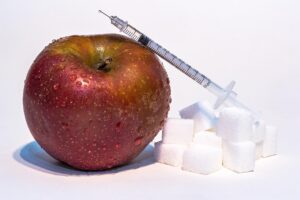
Are you depressed about diabetes and blood sugar? Millions of individuals worldwide suffer from diabetes symptoms, one of the most prevalent lifestyle-related illnesses these days. Diabetes mellitus, as it is medically known, is the result of the body’s inability to control blood sugar levels, i.e. glucose levels. Many people are becoming more and more interested in natural ways to manage and even reverse early-stage diabetes through lifestyle modifications, even when modern medicine is providing effective treatments for all. This article clearly explains the signs of diabetes and natural ways for effective diabetes management.
Diabetes: What Is It?
Diabetes is a chronic illness in which the body either cannot use the insulin hormone efficiently or does not create enough of it. A hormone called insulin facilitates the entry of glucose into cells so that energy can be produced. Blood sugar levels rise when this mechanism fails, which can result in many health issues. Understanding normal sugar levels, blood sugar test, diabetes range, symptoms, and diet can help people manage their health more effectively. Early diagnosis of diabetes and appropriate treatment can reduce the risk of damage to the eyes, kidneys, nerves, feet, and cardiovascular system.
3 Types of Diabetes are Found:
- Type 1 Diabetes symptoms (it is an autoimmune disease)
- Type 2 Diabetes symptoms(most prevalent, lifestyle-related)
- Pregnancy-related gestational diabetes symptoms
When it comes to controlling Type 2 diabetes, natural methods work effectively. So never neglect any health issues that occur due to the above-mentioned all types of diabetes.
What is Type 1 Diabetes?
Type 1 diabetes is an autoimmune disorder in which your immune system destroys the insulin-producing beta cells in your body. Not just this, the immune system constantly treats beta cells as a foreign body and will kill them again if they are transplanted.
It is the main factor that your body has lost the ability to produce insulin on its own. Insulin is required always so that glucose can enter the body cells from the bloodstream. Lack of insulin, causing the glucose to remain in the bloodstream, causes high blood glucose levels.
In this situation, you have only one option to help your body by supplementing insulin externally. Insulin, which is a protein, will be destroyed immediately by the acidic environment present in the stomach. Hence, insulin cannot be taken orally, and it needs to be injected directly into the veins, from where it finds its way into the bloodstream and does its work.
Blood sugar or glucose is the main source found in your blood. It comes from the foods that you are eating. So, it is the main source of energy in your body. Your blood carries the glucose into your body cells, where it gets converted into energy.
Diabetes is a disease where your blood sugar levels are too high. This happens due to the role of a hormone called insulin in your body. First thing, your body isn’t capable of producing enough insulin. It creates a harmful situation in the body because insulin regulates the movement of blood sugar into your body cells. Secondly, your body cells are responding poorly to insulin and are not capable of absorbing sugar the way they should. This situation is called as “insulin resistance.”
As a combined result of these two things, too much sugar is found circulating in your bloodstream. Over time, it accumulates gradually, and your blood sugar levels become too high. Once your blood sugar levels rise beyond a certain threshold (followed by a blood test), you are classified as having Type 2 diabetes.
Some symptoms of Type 2 diabetes include increased thirst, frequent urination, increased hunger, fatigue, blurred vision, frequent infections, slow-healing sores, and tingling or numbness in the hands or feet. It often has a link to being overweight or an inactive lifestyle. For diabetics, losing weight is always an extra challenging task. As you feel hungry and fatigued every time, you want to eat more and exercise less.

What is Gestational diabetes?
Gestational diabetes is a high blood sugar (glucose) situation that develops during pregnancy, typically diagnosed via screening between 24 and 28 weeks. This pregnancy diabetes occurs when pregnancy hormones affect insulin, causing blood sugar to rise high. Though it is usually managed with a healthy diet and exercise, it requires constant monitoring to prevent complications like large birth weight, and it often resolves after birth.
Key Aspects of Gestational Diabetes Disorder:
- Causes and Risk Factors: The placenta produces hormones that cause insulin resistance.
- Diagnosis Process: It is always screened via a 1-hour glucose challenge test, and followed by a 3-hour oral glucose tolerance test (OGTT) if required.
- Controlling Management: It includes mainly healthy eating, regular physical activity, and daily blood sugar tracking. If sugar levels are high and not properly controlled, insulin injections or oral medication may be needed.
- Risk Factors if Untreated: Main potential complications include premature birth, heavy birth weight gained (macrosomia), high blood pressure (preeclampsia), and increased risk of neonatal jaundice or breathing issues.
- Postpartum Phase: Glucose levels usually return to their normal levels soon after birth. However, a follow-up test is recommended between 6-12 weeks after delivery to ensure that blood sugar levels have returned to normal. Otherwise, there is always an increased risk of developing Type 2 diabetes later.
Precautionary Tips:
- Dietary Changes: Consult with a dietitian for a nutritionally balanced meal plan focused on high fibre, low fat, and healthy carbohydrates.
- Active Lifestyle: Follow a 30-minute moderate activity like walking or swimming on most days.
- Monitor Levels: Always follow the instructions of your care team on checking blood sugar timely, often before breakfast and 1 hour after meals.

What Is a Blood Sugar Test?
A blood sugar test can measure the amount of glucose in the blood. It can identify diabetes, detect pre-diabetes, and help monitor effective medical treatments. Physicians may recommend a diabetes test if you experience the symptoms of frequent urination, excessive thirst, unexplained weight loss, fatigue, blurred vision, or slow-healing wounds.
Blood Sugar Levels After Eating:
Blood sugar levels after eating rise as the body digests carbohydrates and releases glucose into the blood. In people without diabetes, insulin helps move glucose inside the body cells, allowing levels to reach towards the normal range. A blood glucose measurement taken 2 hours after a meal can help assess glucose regulation in the blood. However, a home glucose reading device alone cannot establish a diabetes diagnosis.
Types of Blood Sugar Tests:
The main types of blood sugar test include:
Fasting blood glucose test: Measures glucose in blood after at least 8 hours without food.
HbA1c test: Estimates average blood sugar level over approximately 2-3 months.
Oral glucose tolerance test (OGTT): Measures the body’s particular response to a glucose-containing drink.
Random blood sugar level test: Measures glucose when required at any time, regardless of the last meal.
Post-meal glucose test: Measures blood glucose at a specified time after eating.
Continuous glucose monitoring (CGM): Uses a sensor to track blood glucose patterns throughout the day and night.
Urine sugar test: It detects glucose in urine but is not reliable enough to diagnose or exclude diabetes by itself.
What Are Normal Sugar Levels?
Normal blood sugar levels depend on when blood glucose is measured, whether a person has eaten food, women’s pregnancy status, and individual medical conditions. Commonly used reference values for many non-pregnant adults without diabetes are:
Fasting blood sugar: A normal range 70–99 mg/dL.
2-hour blood sugar after eating: The normal range is below 140 mg/dL.
HbA1c test: A reading below 5.7% is generally considered normal range.
Commonly used treatment targets for many non-pregnant adults with diabetes are 80–130 mg/dL before meals and below 180 mg/dL 2 hours after starting a meal.
What Is an HbA1c Test?
The HbA1c test measures the percentage of haemoglobin carrying glucose in blood. Unlike a single blood glucose reading, it reflects average glucose variation over the preceding 2-3 months. An HbA1c reading of 6.5% or higher indicates diabetes. Certain conditions, including anaemia, haemoglobin disorders, pregnancy, and recent blood loss, can affect the test.
What Is the Random Blood Sugar Level?
A random blood sugar level is always measured without fasting. A result of 200 mg/dL or higher, together with existing diabetes symptoms, can support a diagnosis. A high result without diabetes symptoms needs medical assistance and appropriate confirmatory testing.
Newborn Blood Sugar:
Newborn blood sugar requires special medical interpretation because newborn glucose level naturally change after birth. Babies born prematurely, small or large for gestational age, or to diabetic mothers may need screening. Newborn low blood sugar can be a serious issue for health. Warning signs include poor feeding, unusual sleepiness, tremors, temperature instability, and seizures, although some newborns do not show these symptoms. Suspecting hypoglycaemia in a newborn requires immediate assessment by a medical expert.
Pre Diabetes symptoms:
Early pre diabetes symptoms detection is an essential step for prompt treatment. The most typical warning indicators are as follows:
1. Frequent Urination starts: High blood sugar levels start forcing the kidneys to work harder, causing increased urination, especially at night time.
2. Excessive Thirst Feel: As the body gradually loses more fluids through urination, it triggers dehydration, which makes you feel unusually thirsty.
3. Increased Hunger Symptoms: Despite eating regularly, the body cells are unable to absorb glucose, which causes constant hunger.
4. Unexpected Weight Loss: It is a common type 1 diabetes symptoms but it can also occur in Type 2 diabetes. The body immediately starts burning fat and muscle to provide essential energy.
5. Fatigue and Weakness Occur: Lack of proper glucose utilisation by the insulin hormone results in low energy levels.
6. Blurred Vision Occurs: High blood sugar levels can affect the lens and retina of the eyes, causing vision problems. High blood sugar control is necessary, otherwise it can cause glaucoma-like blindness.
7. Slow Healing of Wounds and Cuts: Cuts and infections take longer to cure due to poor blood circulation and the body’s immune response.
8. Signs of Tingling or Numbness: Serious nerve disorder conditions caused by prolonged high blood sugar levels can lead to prominent numbness in the hands and feet.

Pre Diabetes Symptoms in Women:
Signs of diabetes in women often include these below mentioned common symptoms. Women should never neglect these alarming symptoms and should take proper precautionary medical advice in this regard.
- Frequent Infections Occur: High blood sugar activates Candida fungi, which cause common vaginal yeast infections, oral infections, and UTIs.
- Vaginal Dryness/Itching: Diabetic neuropathy is responsible for this sensation and dryness.
- Sexual Dysfunction Arises: Decreased libido and arousal issues occur due to nerve damage (neuropathy).
- Skin Colour Changes: Dark, velvety patches (acanthosis nigricans) are prominently visible on the neck, armpits, or groin, indicating insulin resistance.
- Fatigue and Weakness Disorder: Facing constant tiredness due to cells not receiving adequate energy.
- Slow-Curing Wounds: Cuts, sores or bruises take a long time to heal due to high sugar levels in the blood.
- Blurred Vision Occurs: A high blood glucose level causes the lens of the eye to swell.
- Menstrual Changes Noticed: Irregular or heavier menstrual cycles occur.
- Poly Cystic Ovary Syndrome (PCOS): It shows a strong link to insulin resistance and type 2 diabetes.
- Gestational Diabetes Noticed: It can often be asymptomatic, but may be associated with extreme thirst or frequent urination during pregnancy.
It is urgent to consult a healthcare provider if these symptoms are consistent, because early diagnosis can prevent complications.
Real Causes of Diabetes:
Finding out the real causes may help us to protect ourselves from diabetes. Some of the key factors mentioned below are responsible for increasing the risk of diabetes.
- Following a sedentary lifestyle.
- Eating a poor diet (including high sugar and processed foods).
- Obesity factors are not controlled properly.
- Genetic factors come from heredity.
- Anxiety, stress and poor sleep habits in life.

Can Diabetes Be Cured in Natural Ways?
Type 1 diabetes cannot be cured in natural ways. But Type 2 diabetes can often be controlled and regulated, and in some cases can be reversed by the lifestyle-changing natural procedures. Instead of depending fully on diabetes medications and allopathic diabetes treatment, many people are achieving stable blood sugar levels through a balanced diabetic diet, regular exercise, and holistic system practices.
Some Natural Ways to Manage and Control Diabetes Symptoms:
1. Healthy Diet Plan: A balanced and nutrient-rich diet is essential for natural diabetes management. These foods are to be included.
- Select whole-grain foods like brown rice, oats.
- Leafy green vegetables like spinach, kale.
- Fruits with low glycaemic index, like apples, berries.
- Beneficial fat sources like nuts and seeds.
- Lean proteins like lentils, tofu.
The foods mentioned below should be avoided by any means.
- Sugary drinks and beverages.
- Refined carbohydrates like white bread, pastries.
- All processed and fast foods.
Special Care Tips: Always try to follow portion control and eat smaller meals throughout the day for better results.

2. Start Regular Physical Activity: Regular exercise helps the body use insulin more efficiently and lowering blood sugar levels naturally. Recommended activities are these.
- Daily 30-45 minutes walking
- Cycling is also a very effective exercise.
- Swimming is most beneficial.
- Strength training boosts blood sugar control.
Always keep in mind that consistency is the key. Even moderate daily activity can significantly reduce blood sugar levels.

3. Control Your Body Weight: Excess body weight, especially around the abdomen, is the main cause of insulin resistance. Losing at least 5-10% of body weight can dramatically improve blood sugar control.
4). Herbal Remedies: Certain herbs and natural ingredients have shown promising effects.
- Fenugreek seeds help improve blood sugar tolerance.
- Bitter gourd (Karela) does contain compounds that lower blood sugar levels.
- Cinnamon improves insulin sensitivity for blood glucose.
- Aloe vera helps reduce fasting blood sugar.
Always consult a healthcare professional before using any herbal remedies, especially if you are already on medication.
5). Stay Hydrated: Drinking enough water helps flush excess sugar from the bloodstream and prevents dehydration.
6). Proper Stress Management: Stress can increase blood sugar levels by frequently releasing hormones like cortisol. Natural stress-relief methods are these.
- Follow the meditation formula
- Start deep breathing exercises
- Follow yoga exercises
- Spend time in nature
7). Quality Sleep Needed: Poor sleep has a negative effect on insulin sensitivity and thus increases cravings for unhealthy foods. Always target 7-8 hours of quality sleep every night.
8). Yoga for Mind-Body Practices: Yoga is a highly beneficial natural practice for diabetes management. It improves metabolism, reduces stress, enhances pancreatic function and keeps the mind peaceful. The effective yoga to be followed is mentioned here.
- Surya Namaskar
- Vajrasana
- Bhujangasana (in cobra pose)
- Dhanurasana (in bow pose)
N.B. You can practice yoga to control diabetes, from this YouTube video here
9). Regular Monitoring of Blood Sugar: If you are following any natural methods, regularly check blood sugar levels. It is essential to track progress and avoid complications.
Prevention Tips for Blood Sugar:
Prevention is always better than a cure. Here is how you can reduce the risk.
- Maintain a healthy weight strategy.
- Eat a healthy, balanced diet.
- Make exercise a regular routine.
- Always avoid excessive sugar intake.
- Get regular health check-ups by a medical specialist.
When to Visit a Physician or Endocrinologist:
Natural methods are effective, but medical guidance is also necessary for these symptoms and complications.
- When symptoms worsen and become more critical.
- When blood sugar levels remain high.
- When you experience dizziness or fainting in your body.
A combination of natural methods and side-by-side medical treatments often provides the best result.
N.B: You can get valuable ideas directly from a diabetic patient (Santonu Kashyap) in his own words.
What is Low Blood Sugar?
- Hypoglycaemia (low blood sugar) occurs when blood sugar levels fall below 70 mg/dL, commonly affecting people with diabetes taking insulin injections.
- Low Blood Sugar Symptoms include shakiness, sweating, dizziness, rapid heartbeat, hunger, fatigue, blurred vision, headache, confusion, and irritability.
- It is treated via the 15-15 rule treatment (take 15g carbs, wait 15 minutes, check again, if the level is still low, again repeat this process). Any severe, untreated cases can cause seizures, coma, or death.
Major Causes of Low Blood Sugar:
The most common diabetic causes are taking too much insulin, missing regular meals, or excessive exercise. On the other hand, non-diabetic causes include medication side effects, excessive alcohol consumption, liver or kidney disease, or hormonal disorders. If you are experiencing this type of frequent symptoms, immediately consult a doctor for personalised care, as severe cases can be lethal. (Reference: Wikipedia)
Medical disclaimer: The above article is for general educational purposes only and should never be considered a substitute for professional medical diagnosis, treatment, or emergency care. Blood sugar treatments may vary by age, pregnancy, medical history, and medicines. Always consult your professional medical specialist before changing your treatment plan.
Free-of-Cost Medical Treatment at Sri Sathya Sai Hospital
#diabetes #diabetessymptoms #signsofdiabetes #type1diabetessymptoms #lowbloodsugarsymptoms #signsofdiabetesinwomen #prediabetessymptoms #typesofdiabetes #type2diabetes #diabetestreatment #diabetesmedications #diabetesmanagement #bloodsugarcontrol #diabetestypes #diabetescauses #insulin #hormone #bloodsugar #bloodsugarlevels #glucoselevels #diabeticneuropathytreatment #lowbloodsugar #diabetesmellitus #endocrinologist #gestationaldiabetes #diabeticdiet #glucose #normalsugarlevels #normalbloodsugarlevels #bloodsugaraftereating #bloodsugartest #diabetesrange #hba1ctest #typesofbloodsugartest #randombloodsugarlevel #bloodsugarlevelsaftereating #newbornbloodsugar #newbornglucoselevel # pregnancydiabetes #averagebloodsugarlevel